Greatest UFC
Fighters of
All Time
This is not a highlight reel. We ranked 10 fighters head-to-head using Sortoff — every position decided by direct comparison across four criteria: dominance (how completely they controlled their era), competition level (the quality of who they beat), title wins and defenses (how many times they reached the top and how long they stayed), and integrity of the record (doping history, fight selection, and the honest context around every result). Some of the most famous names in the sport's history don't appear here. Both of those things are features of an honest list.
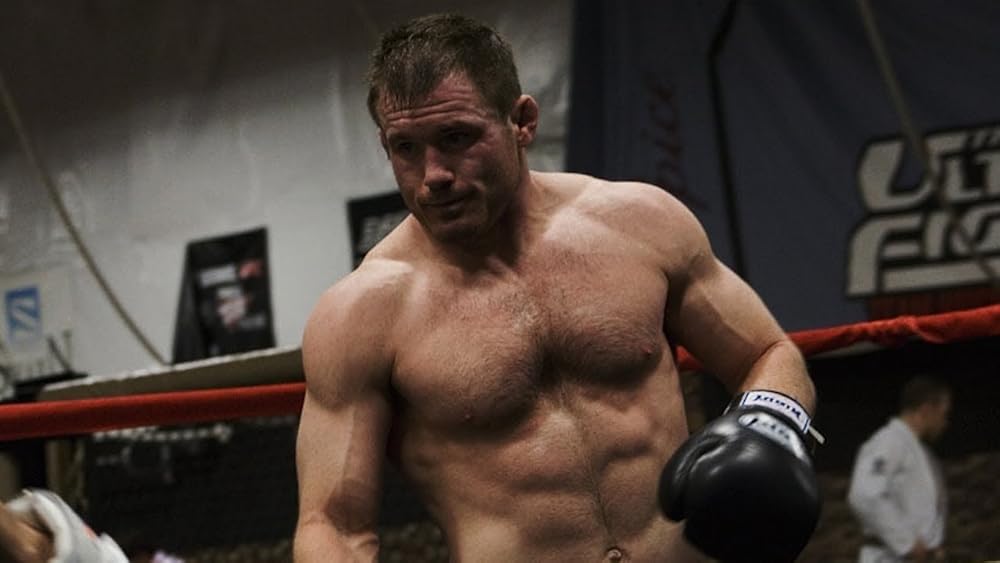
Matt Hughes was the first great welterweight champion and the most dominant wrestler in the division before Georges St-Pierre arrived and made everyone else obsolete. He held the 170-pound title twice between 2001 and 2006, defending it six times across both reigns against the best available competition in a division that was, during that period, arguably the most talent-dense in the sport.
His wins include both bouts with Frank Trigg — the second in a fight he almost certainly lost before stopping Trigg with a rear-naked choke while being dragged across the octagon, having initially been caught in a groin strike and nearly finished. He submitted B.J. Penn in their first fight, which remained one of the most unlikely outcomes in the division's history given the striking differential. He handled Carlos Newton for the title in 2001 in a fight that remains famous for the power bomb finish — Newton had a body triangle locked in, Hughes lifted him and knocked him out while being choked. Perhaps most significantly, he stopped Royce Gracie by TKO in 2006, closing a chapter that had been open since the early days of the sport: Gracie, who had founded the jiu-jitsu-based approach that dominated early MMA, was stopped by the kind of complete fighter the sport had eventually produced.
The honest ceiling is that GSP made him look obsolete in a way that's hard to ignore. Their first fight, in 2006, Hughes was stopped in the second round. Their 2010 rematch was not close. The divisions he competed in were also somewhat thinner than the ones that followed, particularly at the top. But for a five-year window from 2001 to 2006, Hughes was the standard for what a welterweight champion was supposed to look like, and the technical foundation he built — particularly the wrestling-based pressure game that became the blueprint for an entire generation of UFC champions — gives his career more lasting significance than the record alone suggests.
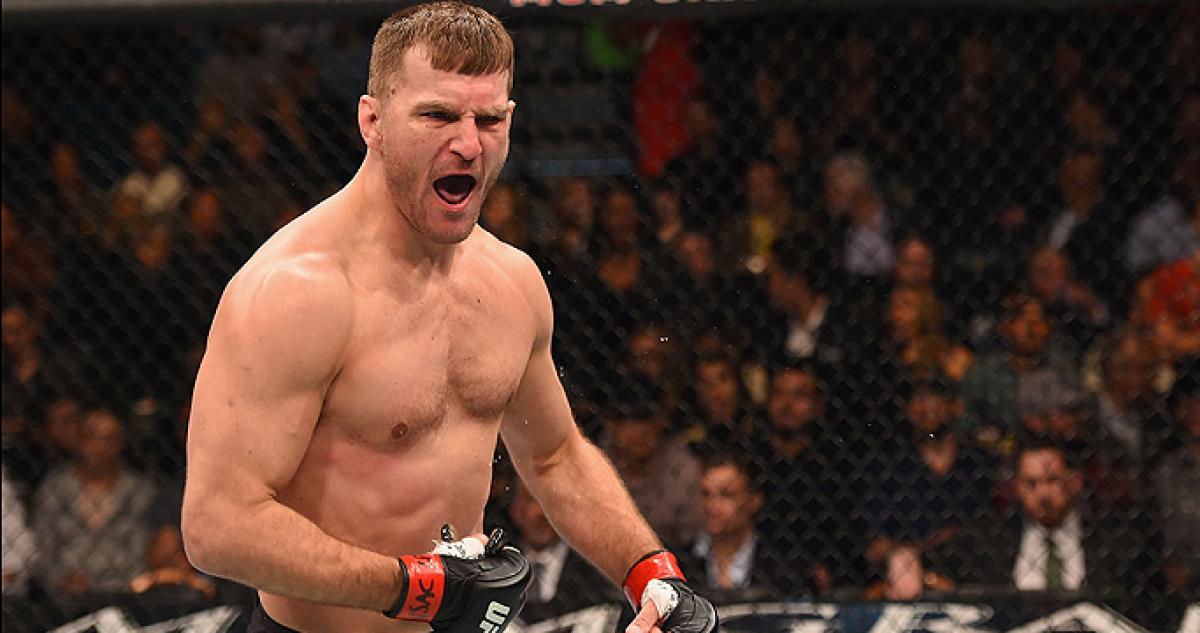
Stipe Miocic holds the record for the most title defenses in UFC Heavyweight history — three consecutive defenses against Francis Ngannou, Alistair Overeem, and Junior dos Santos — and that statistic is largely why his all-time argument exists in the first place. The Heavyweight division does not reward sustained dominance in the way smaller weight classes do. The knockout power is more evenly distributed across the roster, the physical attrition is more severe, and the margin for error in any given fight is smaller. Miocic operated at the top of that division across two separate championship reigns and handled the best the weight class had to offer across a decade of competition.
His record against the genuine elite is strong: two wins over Junior dos Santos, a dominant performance against Alistair Overeem, and a rematch win over Daniel Cormier after losing the first fight by knockout. That rematch specifically stands out — Miocic came back from being knocked down in the first round and won by third-round TKO by targeting Cormier's body, which was not something Cormier's team had prepared for. It was the kind of in-fight adjustment that doesn't happen by accident, and it remains one of the more underrated performances in heavyweight championship history.
The ceiling on his all-time argument is the loss to Francis Ngannou in 2021, coming after a serious ear injury and nearly two years out of competition, followed by a fight against Jon Jones in 2024 at 41 years old where he was not meaningfully competitive. The version of Miocic on this list is the one who defended the Heavyweight title three times and came back from a KO loss to defeat one of the division's best. That version belongs in any honest conversation about the greatest fighters in heavyweight history.
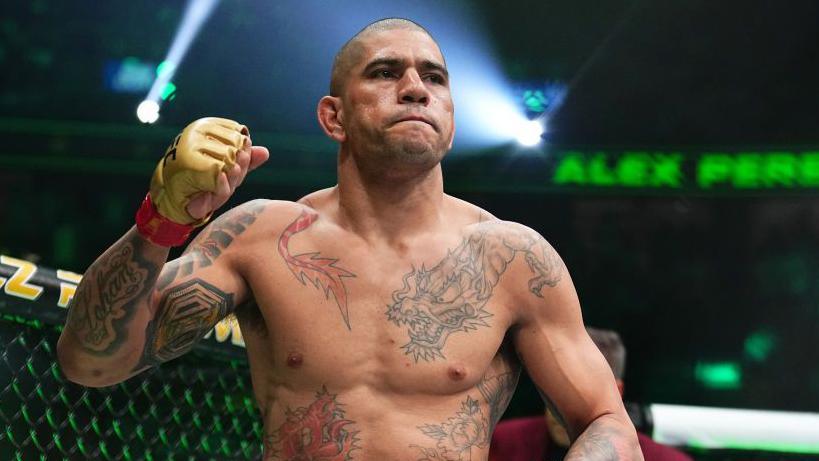
Alex Pereira's trajectory in combat sports has no real precedent. He came to MMA at 33 after a decorated kickboxing career that included being the first simultaneous two-division champion in GLORY history — the premier kickboxing organization in the world — and became the fastest double champion in UFC history in under three years. That speed alone would be noteworthy, but the manner in which he got there gives it more weight: he won the Middleweight title by finishing Israel Adesanya in the fifth round of a fight he was losing, having already beaten Adesanya twice in kickboxing. He then moved up to Light Heavyweight, won that title as well, and has defended it against Jiri Prochazka twice — both times by knockout, both times with Prochazka having no other losses in the UFC.
His knockout record in title fights — 7 finishes, second all-time behind Anderson Silva's 8 — reflects a finishing rate in championship rounds that almost no one in the sport's history has matched. His two losses both carry documented context: the rematch against Adesanya happened after Pereira cut over 40 pounds and spent fight week on antibiotics; the loss to Magomed Ankalaev for the Light Heavyweight title happened with a broken hand that Pereira had entering the fight, choosing not to withdraw to avoid canceling the event. Neither erases the result, but both are part of the honest account. The argument for Pereira on any all-time list is currently unfinished, which is the point — he is the only person on this list who is still actively adding to his resume in real time, with a scheduled shot at the Heavyweight interim title that would make him a three-division champion in a sport where that has never happened.
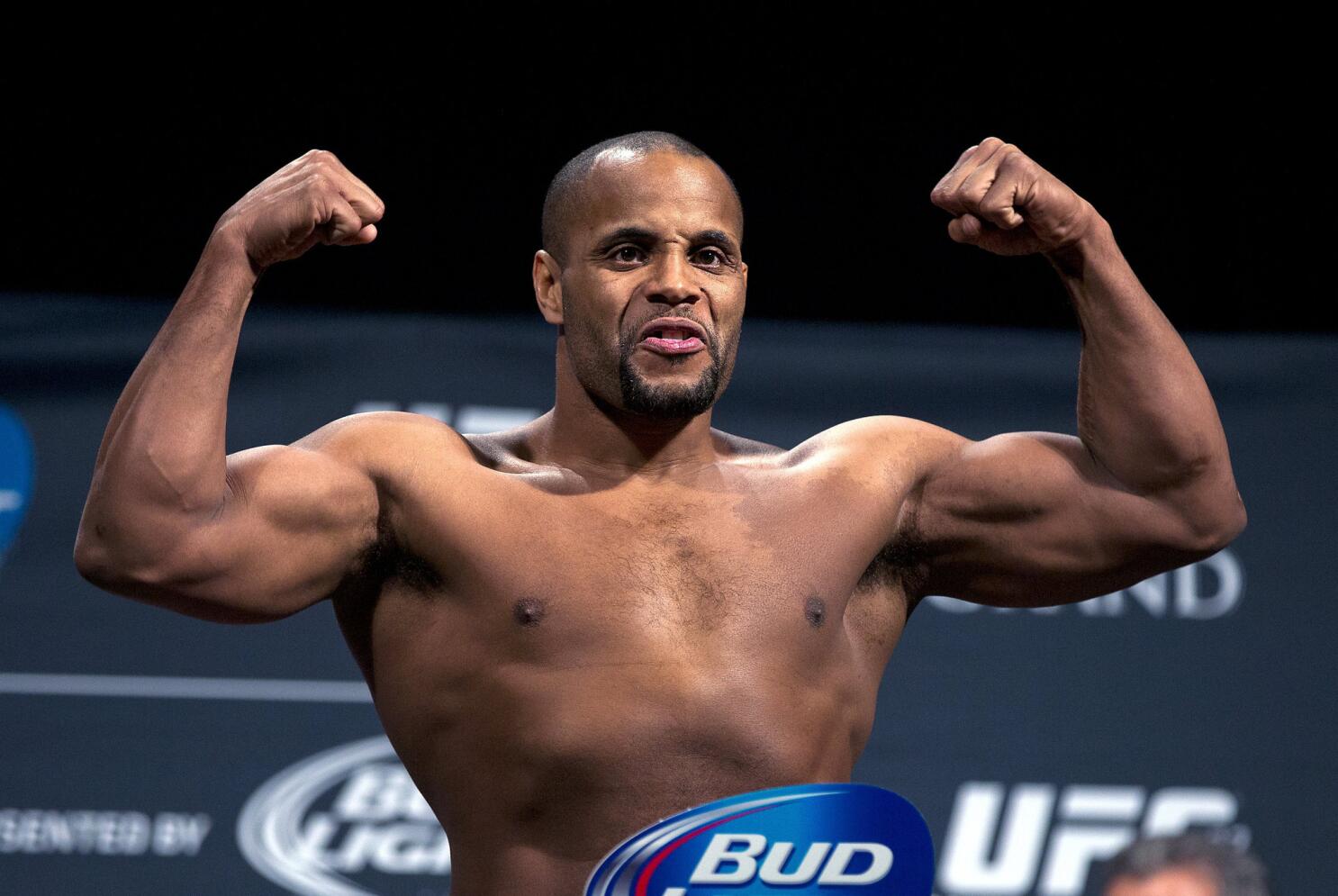
Daniel Cormier is the cleanest case on this list, and that matters more in MMA than in most sports because clean cases are genuinely rare. Simultaneous champion in two divisions — Light Heavyweight and Heavyweight — Olympic bronze medalist in wrestling, and a career built entirely on earned merit with no doping history and no behavioral controversies. He beat the best available competition in both weight classes: Alexander Gustafsson, Anthony Johnson twice, Stipe Miocic twice.
The problem with evaluating Cormier honestly is that it requires confronting what happened with Jon Jones, and that confrontation is uncomfortable. Their first fight was declared a No Contest after Jones tested positive for banned substances. Their second fight was won by Jones in dominant fashion — and then Jones tested positive again shortly after, for a different substance. The results were handled differently by the commission in each case, but the sporting reality is the same: Daniel Cormier was never cleanly beaten by anyone except Stipe Miocic. Everything else on his record has an asterisk that belongs to someone else's decisions, not his. The argument that Cormier belongs higher on any all-time list is not a hot take — it is what the evidence points to when you remove the noise. He is the best argument MMA has for what a career built purely on competitive integrity looks like.
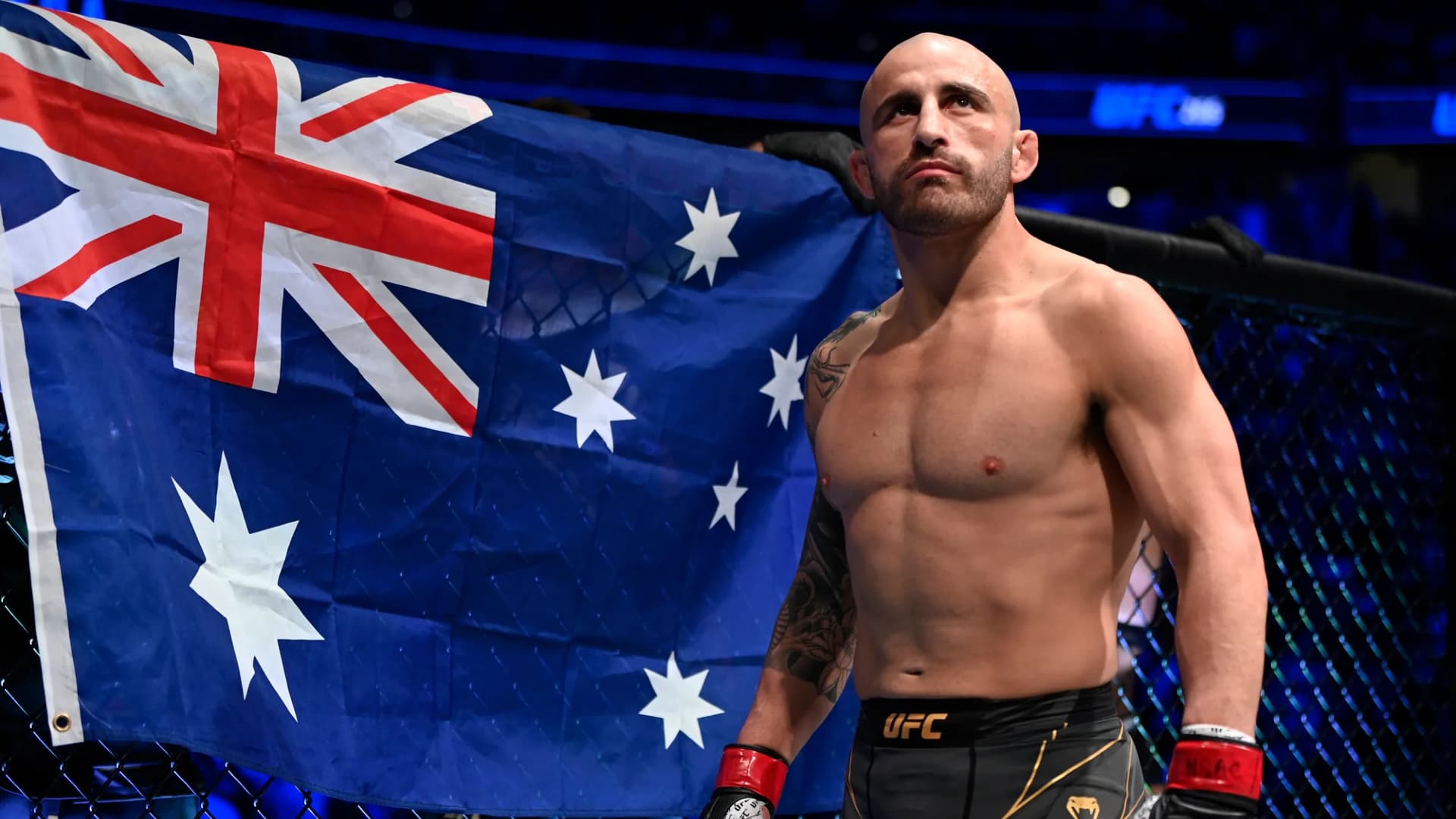
Alexander Volkanovski arrived in the UFC in 2016 as a former professional rugby player from Australia and became the most successful Featherweight champion of his generation through what looked less like natural talent and more like a systematic process of solving every problem in front of him. His three-fight series with Max Holloway is the defining story of his reign: the first fight was a clear Volkanovski win, the second was statistically Holloway's by most analytical measures and remains genuinely controversial — the judges gave it to Volkanovski — and the third was Volkanovski again. The honest account gives him two of three, not three of three.
His attempted move to Lightweight produced one of the more complicated results in recent UFC history: the first fight against Islam Makhachev was statistically competitive enough that the majority of the analytical community scored it for Volkanovski, and the judges went the other way. The second fight was a clearer Makhachev win. Volkanovski also went 2-0 against Diego Lopes, who was on a strong run, which adds legitimate quality to the late portion of his resume. The shape of his career reveals something specific about who he is as a competitor: he consistently chose the harder fight over the safer option, which is worth more than the results alone suggest. The two losses that count — to Makhachev in the rematch and to Ilia Topuria for his title — came against fighters who were genuinely better than him on those nights, which is also simply part of the sport at the highest level.
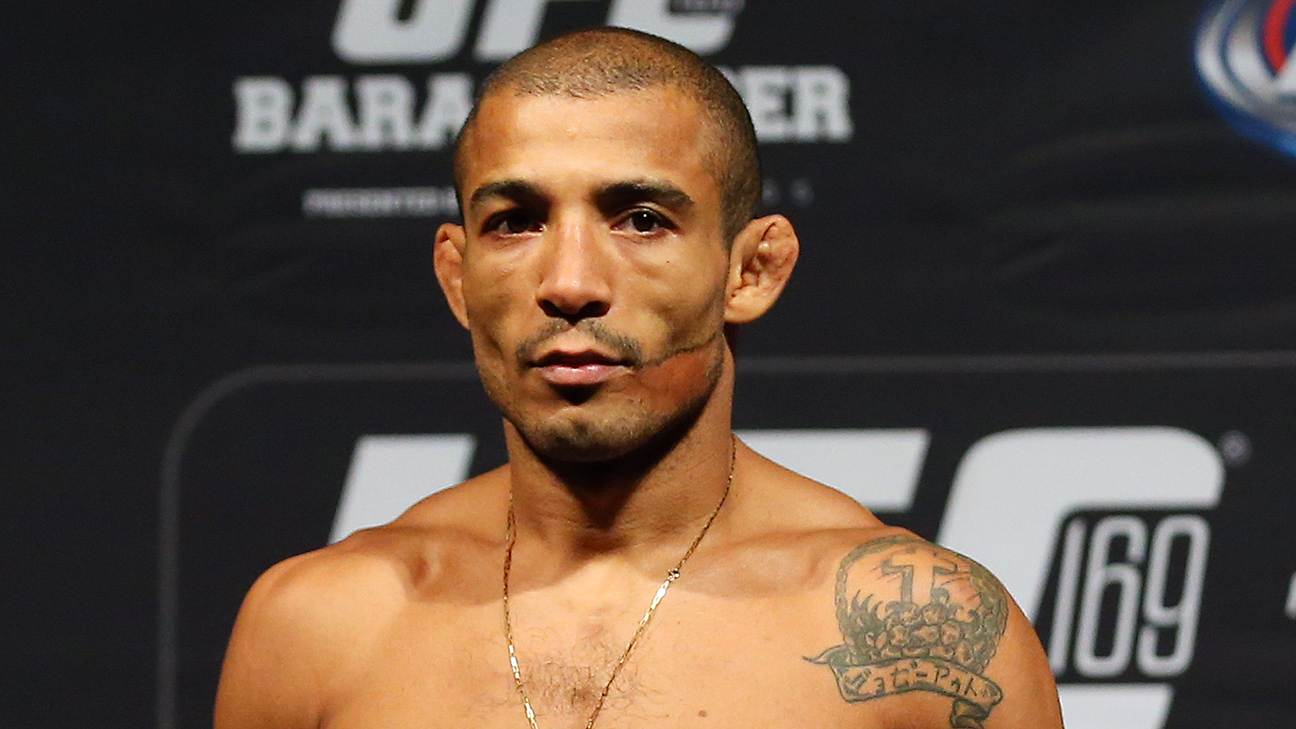
José Aldo's career requires two separate readings depending on which era you look at, and both are true at the same time. From 2005 to 2015, he was the most dominant featherweight in MMA history — a decade undefeated, nine combined title defenses across the WEC and UFC, built against genuinely strong opposition in Urijah Faber, Frankie Edgar twice, and Chad Mendes twice. His fighting style was technically precise in a way that made violence look almost mechanical: leg kicks that removed his opponents' mobility, clinch work that neutralized wrestlers, and knockout power that made standing with him a bad bet for anyone.
What complicates the narrative is what happened after — and what often gets simplified in the retelling. The 13-second KO loss to Conor McGregor at UFC 194 is the defining image most casual fans carry of Aldo's career, but the context around it matters: McGregor spent months deliberately engineering Aldo's psychological state, and the result of that campaign was visible the moment the fight started. In 13 seconds, any elite knockout artist can finish any opponent. That is not an excuse — it happened — but it does not undo 10 years of undefeated dominance any more than a single bad moment defines a decade of work. There is also a confirmed detail that reshapes how you read his entire career: Aldo acknowledged that his documented age in the UFC is five years younger than his actual age, a Brazilian documentation issue he confirmed publicly. That means every title defense, every comeback win in the Bantamweight division against young prospects in his late career, every moment he was competitive — he was doing it older than anyone realized. Twenty-plus years of professional MMA competition, still active, still winning. The record deserves more respect than the McGregor knockout has historically allowed it to receive.
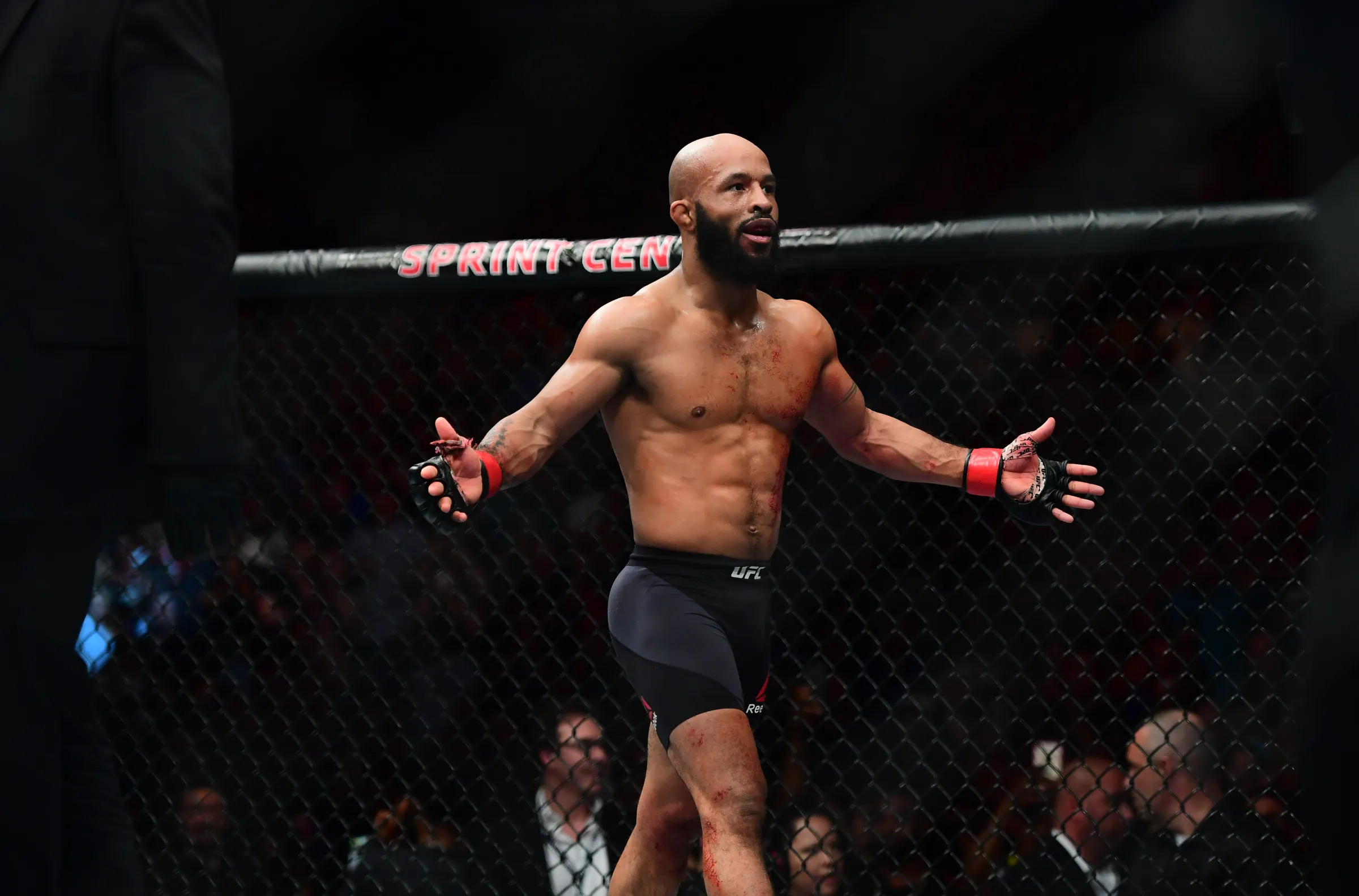
The number 11 is the beginning and end of the Demetrius Johnson conversation, because eleven consecutive UFC title defenses is a record that will likely never be broken — and then the context around it starts to matter. Johnson was technically extraordinary: fast enough to make elite opponents look a step behind, flexible enough to combine striking and grappling in ways that felt genuinely unpredictable, and disciplined enough to sustain that level across a five-year run at the top of the Flyweight division.
The honest limitation is that the Flyweight division was created in 2012, and its early years did not produce a pool of challengers comparable to what champions in established divisions were facing. Johnson fought Joseph Benavidez and John Dodson twice each — not because the matchmaking was lazy, but because the roster of genuine contenders was thin. When Henry Cejudo, who had significantly improved since their first fight, eventually beat him for the title, it felt less like Johnson had declined and more like the division had finally produced someone capable of beating him. His post-UFC career at ONE Championship is a footnote that actually reflects well on him: he lost the ONE title to Adriano Moraes, then won the rematch by TKO, showing he could still compete at championship level in a different organization. The ceiling on his all-time argument is the division's depth. The floor is eleven defenses of a major UFC title, which almost nobody else has done in any era.
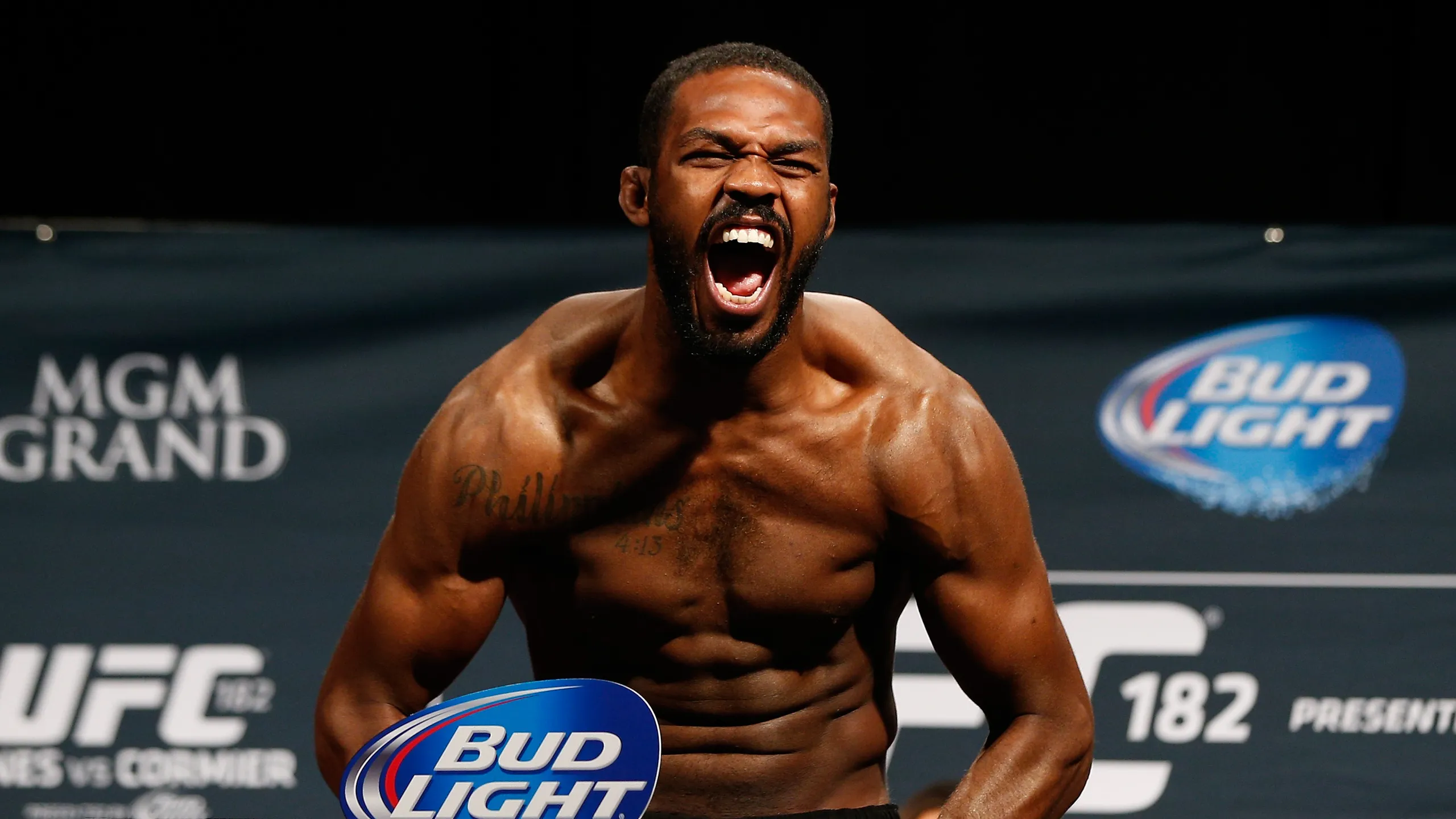
Jon Jones is the most talented fighter in MMA history and also the most compromised, and the honest evaluation of his career requires holding both of those things at the same time without letting one erase the other. His physical attributes — 84.5-inch reach, elite wrestling base, extraordinary fight IQ, and a range of unorthodox strikes that opponents consistently failed to prepare for — produced a style that nobody in the Light Heavyweight division ever found a reliable answer to. His first reign at 205 pounds lasted from 2011 to 2015 and included victories over virtually every significant name in the division.
The record also includes two separate doping suspensions with two different banned substances in 2016 and 2017, both occurring around his fights with Daniel Cormier — who, as a result, never got a clean result in either contest against the man who was supposed to be his defining rival. There are additional complications: Dominick Reyes won the first three rounds of their 2020 fight by most analytical accounts, the Gustafsson and Thiago Santos fights were closer than the results suggested, and Jones declined to fight interim champion Tom Aspinall before retiring, only to resurface with interest once Aspinall got injured. His move to Heavyweight produced wins over Ciryl Gane — a nearly ideal stylistic matchup for Jones — and a Stipe Miocic who was 41 and past his prime. The talent is beyond dispute. The career management, the doping record, and the off-octagon conduct — which includes a hit-and-run involving a pregnant woman and multiple domestic incidents — mean that his standing on any list is inevitably a reflection of how much weight you assign to what happens outside the competition versus inside it.
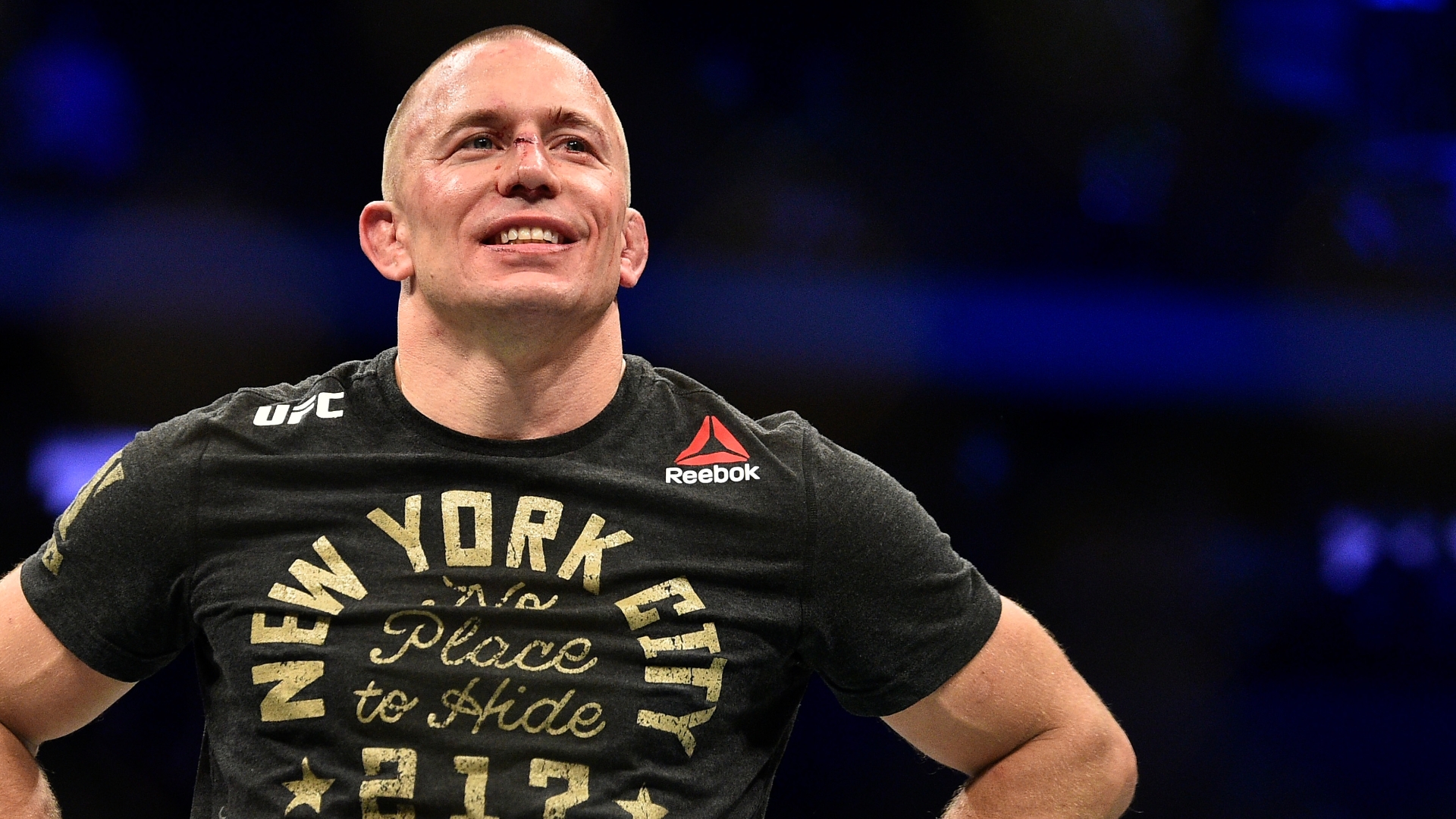
GSP is the most complete fighter the welterweight division has ever produced, and his career holds up remarkably well even when you account for the parts his supporters tend to skip over. Nine consecutive title defenses at 170 pounds against a who's who of the division — Matt Hughes twice, BJ Penn twice, Josh Koscheck twice, Jon Fitch, Thiago Alves, Carlos Condit, Nick Diaz — represent a sustained run of quality opposition that almost no champion in any weight class has matched. He combined elite wrestling with a jab that functioned as a control mechanism more than a damage tool, and his ability to study opponents and neutralize their best attributes was systematic enough to border on clinical.
The tension in GSP's legacy comes from the decisions he made around the fights rather than inside them. He almost certainly lost to Johny Hendricks statistically in their 2013 title fight and vacated the belt shortly after, declining an immediate rematch. He returned four years later to fight Michael Bisping for the middleweight title rather than work through the actual contenders in either division. He never accepted the Anderson Silva superfight despite years of public demand and an obvious opportunity. He also drew criticism throughout his career for finishing fewer fights than his level of control warranted. None of this erases the record, but it introduces a pattern of career management that creates real tension with the image of the fighter who would take on anyone. What remains is a decade of elite-level dominance, a career as clean as any in the sport, and a case for second all-time that is genuinely difficult to argue against on merit alone.
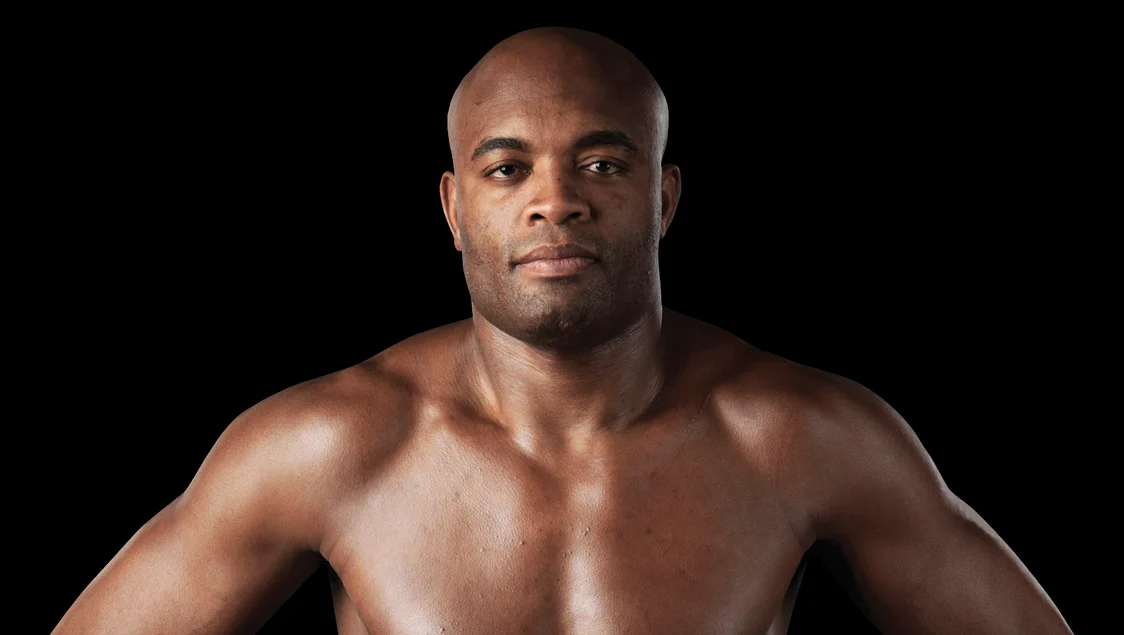
Anderson Silva did not just win fights — he made them into something closer to performance art, and that distinction matters more than it might seem. His 2,457-day reign as UFC Middleweight Champion is a record that still stands, built across ten consecutive title defenses against legitimate competition: Dan Henderson, Chael Sonnen twice, Vitor Belfort, Forrest Griffin, Rich Franklin twice. What separated Silva from every other dominant champion in MMA history was not just the winning — it was the manner. He routinely fought in ways that should have gotten him finished, dropping his hands, leaning back into the pocket, taunting opponents mid-exchange, and then punishing them with a precision that made the risk look retroactively calculated. No one before or since has combined that level of psychological theater with that level of technical execution. His 8 knockout wins in title fights is an all-time UFC record that no one has come close to matching.
The doping suspension in 2015 carries context that most cases don't — the substances found were consistent with Viagra use rather than performance-enhancing compounds in any conventional athletic sense — but it remains part of the record. His eventual losses to Chris Weidman are complicated: the first was the cost of a habit Silva had built his entire career around, and the second ended with a broken tibia mid-fight, a freak injury that also happened to Weidman himself and to Conor McGregor in later years. Neither outcome meaningfully revises what came before. The argument for Silva at the top of any all-time list is not sentimental. It is the combination of the longest reign, the highest level of competition relative to his era, the cleanest knockout record in championship fights, and an individual style that has never been replicated. He is the standard everything else gets measured against.