Greatest
Counter-Strike
Players of
All Time
Counter-Strike has been played at the highest level for over two decades across two versions of the game. This is not a popularity ranking and it is not a highlights ranking. We ranked 10 players head-to-head across four criteria: peak performance (how high the ceiling of their individual play was), Major results (the format that demands the most and rewards the best), consistency (how long and how reliably they sustained excellence), and legacy (what they changed about how the game was understood and played). This is not a popularity ranking.
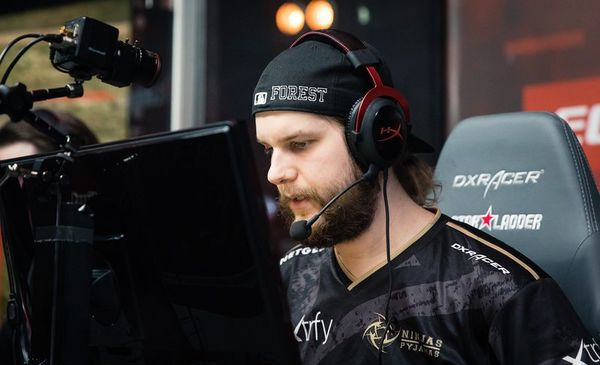
f0rest's position on this list is earned through something almost no other player on it accomplished: sustained elite performance across two fundamentally different versions of the game. He was among the two or three best players in the world during CS 1.6, alongside NEO, and then made the transition to CS:GO and remained a top-tier player for another five-plus years — at a time when most players from his generation either retired or became shadows of their former selves.
NiP's run of 87 consecutive unbeaten LAN maps in CS:GO's early competitive period was built substantially around his consistency and his ability to deliver in the rounds that decided maps. His game was not built around mechanical extremes or stylistic innovation — it was built around fundamentals executed at a level that made him reliable in every situation the format could produce. One Major win. A top-two HLTV finish in the early CS:GO era — a ceiling that separates his record from the tier above. He never held the number one individual ranking in the world, and his statistical output across CS:GO's most competitive years reflects a player who was elite without once reaching the summit. The specific value of his career as a historical argument is what it proves: that his 1.6 accomplishments were not a product of era-specific conditions but of individual quality that transferred when the conditions changed entirely. That is a harder thing to demonstrate than a single-era peak, and the fact that he demonstrated it places him in a category of his own on this list.
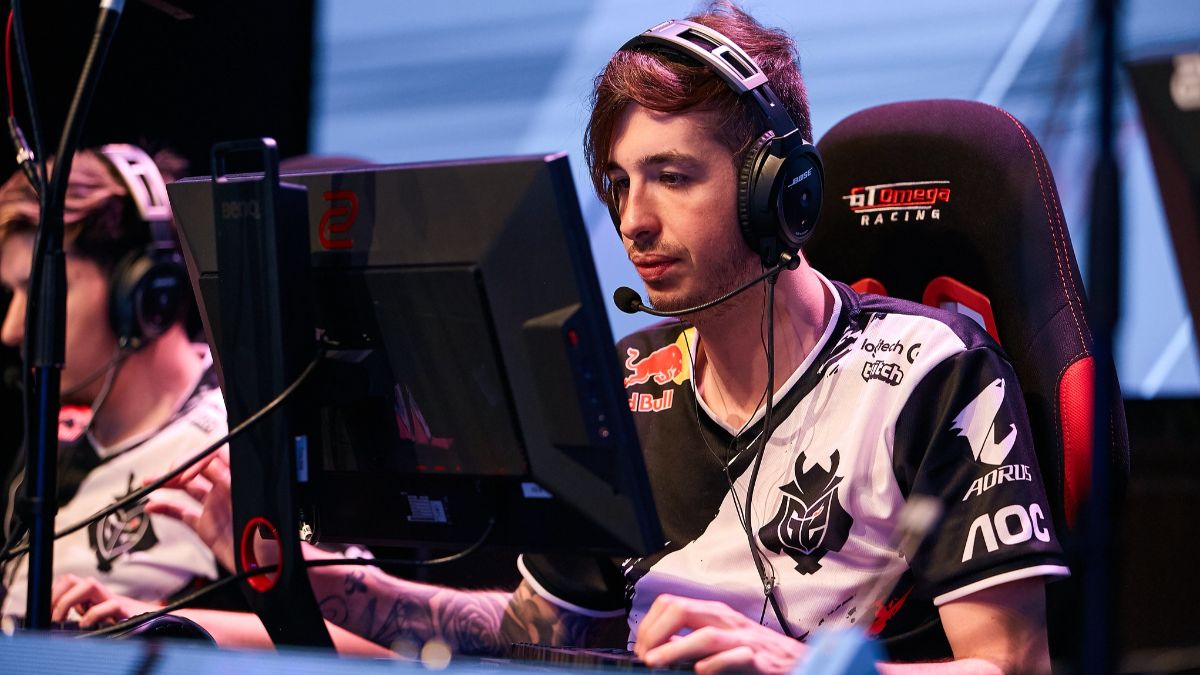
kennyS changed what people understood the AWP to be capable of in a professional context, and the fact that Valve responded to his play specifically by nerfing the weapon is a form of acknowledgment that has no real equivalent on this list. The movement accuracy mechanics that defined aggressive AWP play in the pre-nerf era were, to a significant degree, built around what he was doing — and when the nerf arrived, designed in part to make his style less viable, he remained elite.
That is the part of his career that often gets lost in the narrative of the nerf: it did not stop him. One Major, one Major MVP, and a sustained period of being the most individually feared player at a given event — not the most statistically dominant across a full year, but the player whose presence with the AWP in hand created the most significant tactical consequences for opponents. His game was defined by a specific quality that statistics capture imperfectly: the flickshot on a target that had no reason to expect the play, in a position that made no conventional sense, converting it anyway. His impact was concentrated in one role and one weapon — the trophy count and year-end statistical rankings reflect that concentration, never reaching the levels of the players above him. He produced those moments at a rate and in a context that influenced how an entire generation of players approached the role after him.
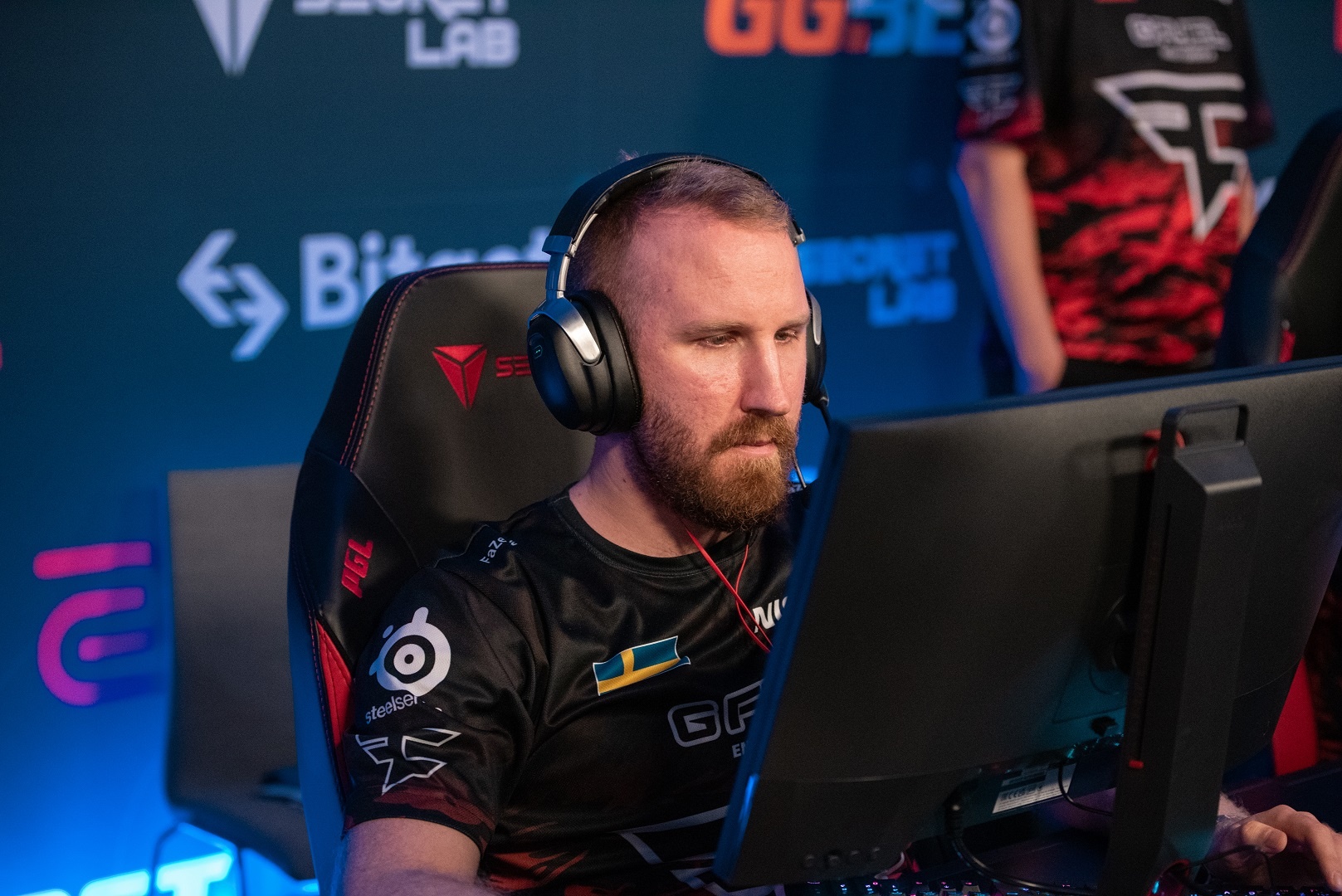
The most versatile player the game produced at elite level, which is a specific claim that holds up across the evidence. Entry fragging, AWPing, support, second contact, clutching — olofmeister did each of them at a level that would have placed him in the top tier of players who specialized in only one. The 2014 and 2015 Fnatic period was built around his second-contact and anchor play specifically, and the results — two Majors, two Major MVPs, one HLTV number one — reflected a player at the absolute peak of what the game required at that moment.
His ranking reflects an eighteen-month stretch where he was the best player in the world and a broader career that remained consistently high-level across different roles and different team compositions. That peak, as complete as it was, is also among the shortest sustained elite runs on this list — injuries cut short what might otherwise have been a significantly longer argument. What he produced before those interruptions was as complete an individual profile as the competitive scene has seen — a player without a role he couldn't fill and without a format in which he couldn't deliver.
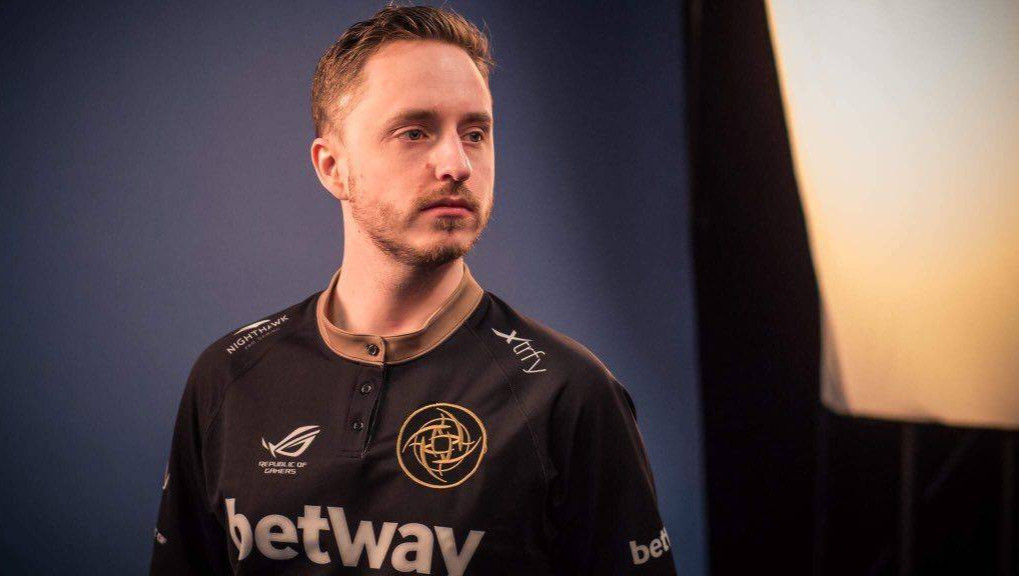
GeT_RiGhT's 2014 Cologne performance remains one of the most statistically dominant individual Major runs in Counter-Strike history — ratings across that event so far above the field that analysts still use it as a reference point for what a peak individual tournament can look like. Beyond that single data point, GeT_RiGhT was one of the two or three best players in the world during CS:GO's formative competitive years, and he had done something comparable in CS 1.6 before that, which places him in the rare category of players who demonstrated elite individual quality across two very different versions of the game.
What he specifically changed was the lurker role: the way he moved through maps, gathered information, and created pressure from unexpected positions redefined how that function was understood and then widely imitated. Two HLTV number one rankings, shared with coldzera for third all-time in the CS:GO era. One Major win. His peak, as high as almost anyone on this list in its best moments, was concentrated in a shorter window — and the field he dominated was still developing the depth it would eventually reach. That does not diminish what he did — it contextualizes it accurately.
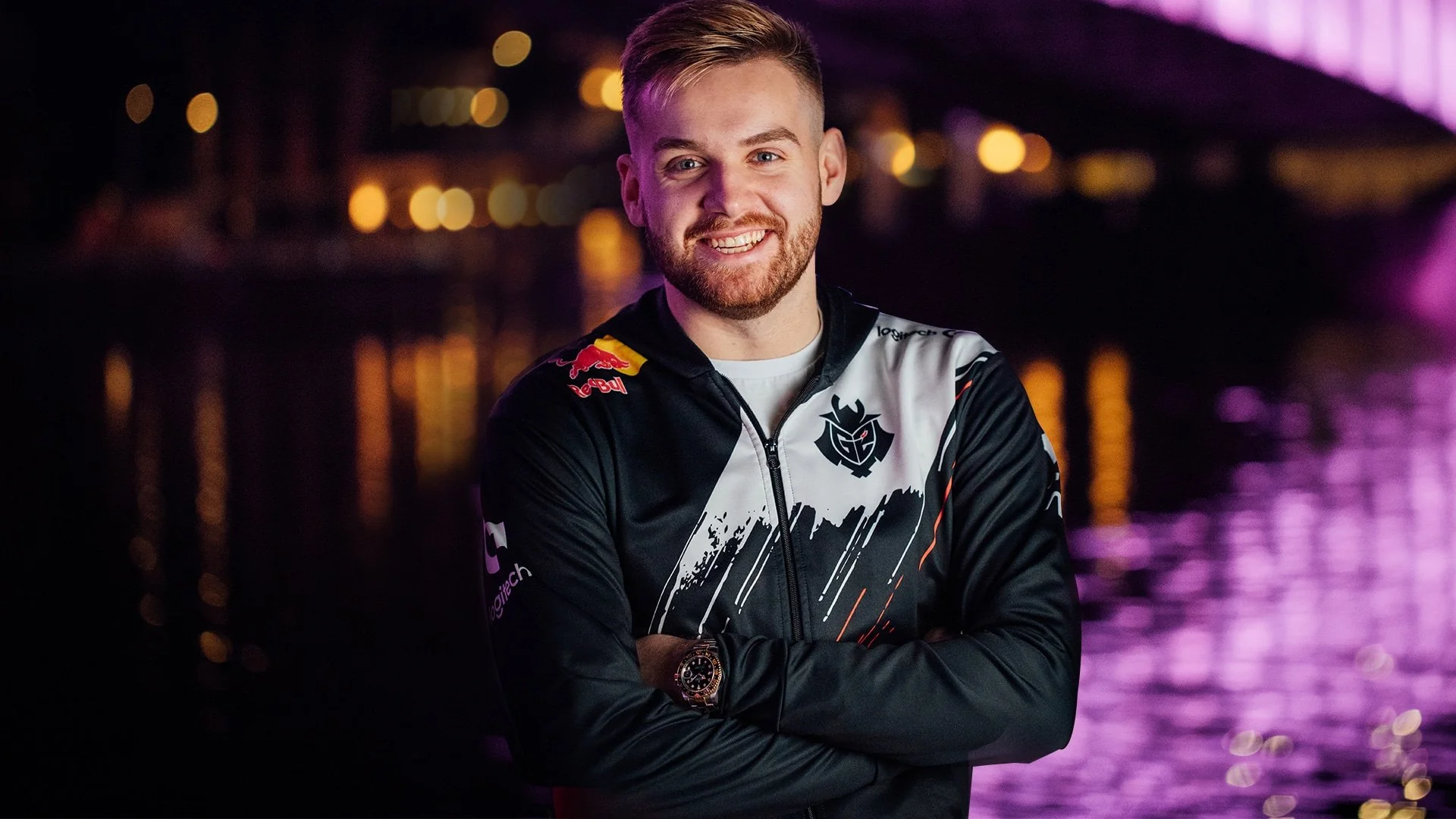
Nine consecutive years in the HLTV top twenty is a consistency record that almost no one else on this list can match, and it reflects something specific about NiKo: his individual quality has never meaningfully declined across nearly a decade of playing against the best competition in the world. His mechanical ceiling as a rifler — the movement, the positioning, the duel-winning rate against elite opponents — places him in a conversation with coldzera and others for the best pure rifler the game has produced, for some the absolute best. He has functioned as a star opener, a hybrid support, and at various points as an in-game leader, maintaining elite output across all three contexts.
The honest tension in his career is the Major record: zero. For a player operating at his level, in rosters with the talent to contend, across nine years of competition, the absence is significant enough that it cannot be attributed entirely to variance or team circumstances. It is the defining unresolved question of his career and the main reason he sits here rather than higher, because the players above him validated their individual quality with results at the format that matters most. What he has done without that validation is still extraordinary. The gap between his demonstrated quality and his trophy case is one of the most specific stories the game has produced.
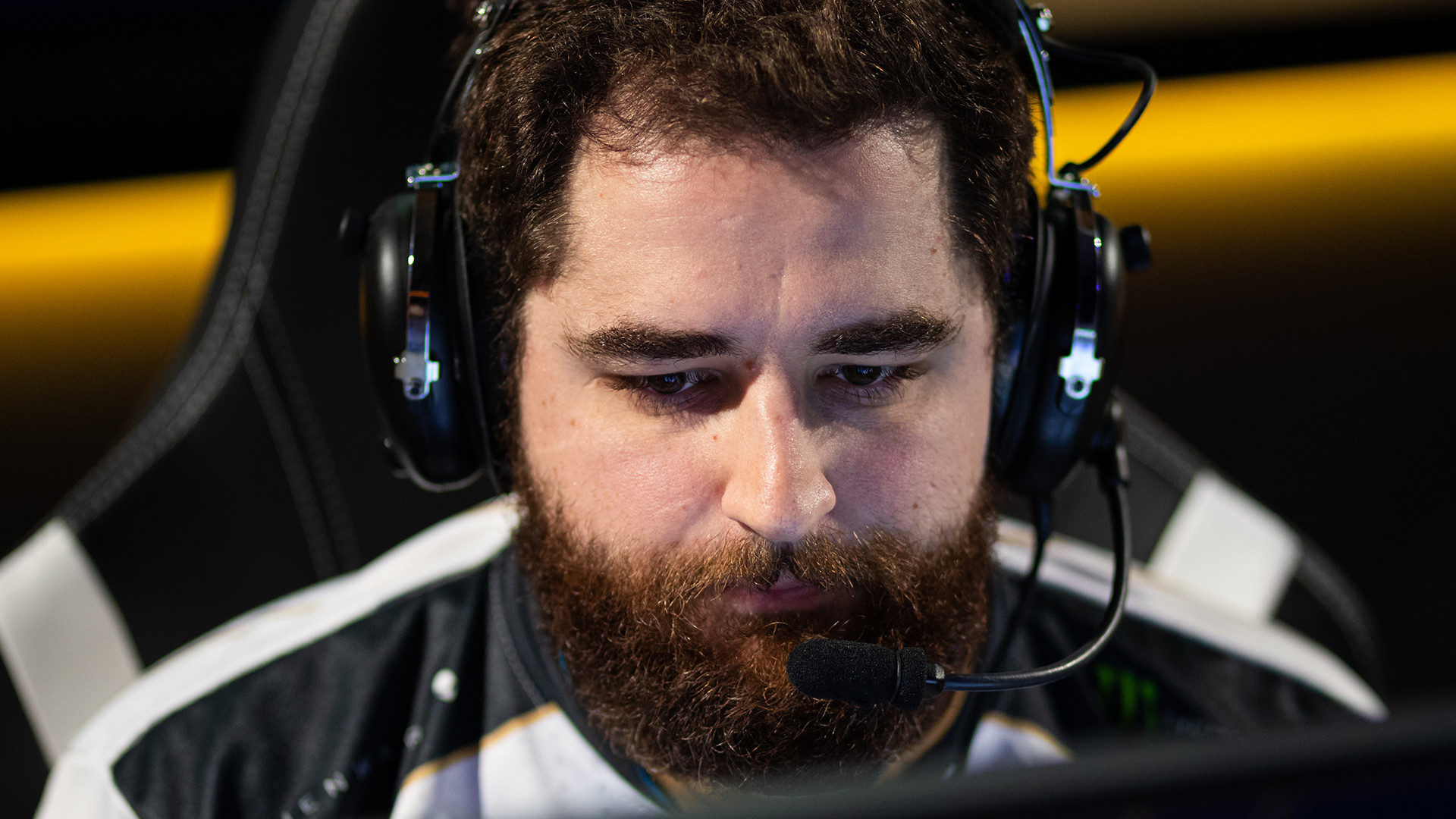
The IGL-AWPer combination is one of the most structurally demanding roles in Counter-Strike, and FalleN executed it at a level that has never been replicated. Calling the game, making mid-round adjustments, and carrying the AWP in a role that requires individual production from the most demanding weapon in the format — he did all of it simultaneously well enough to place top two in HLTV's year-end rankings in 2016 and top six in 2017, years when the field included s1mple, coldzera, dev1ce, and NiKo at various stages of their respective peaks.
Two Major wins. His AWP style was built around angle control, close range and patience. The broader impact of what he and coldzera built with Luminosity and SK Gaming extended beyond their own results: they created the infrastructure for Brazilian Counter-Strike to become a sustained competitive force rather than a regional novelty, and the generation of players that followed them — including those now competing with FURIA — operates on foundations they established. His individual statistical output never placed him as the best player in the world, and his peak window was shorter than those above him — his case rests as much on his unique dual role and historical impact as on individual performance. A player who changed what was considered possible in the roles he occupied, at an individual performance level that validated the change with actual results.
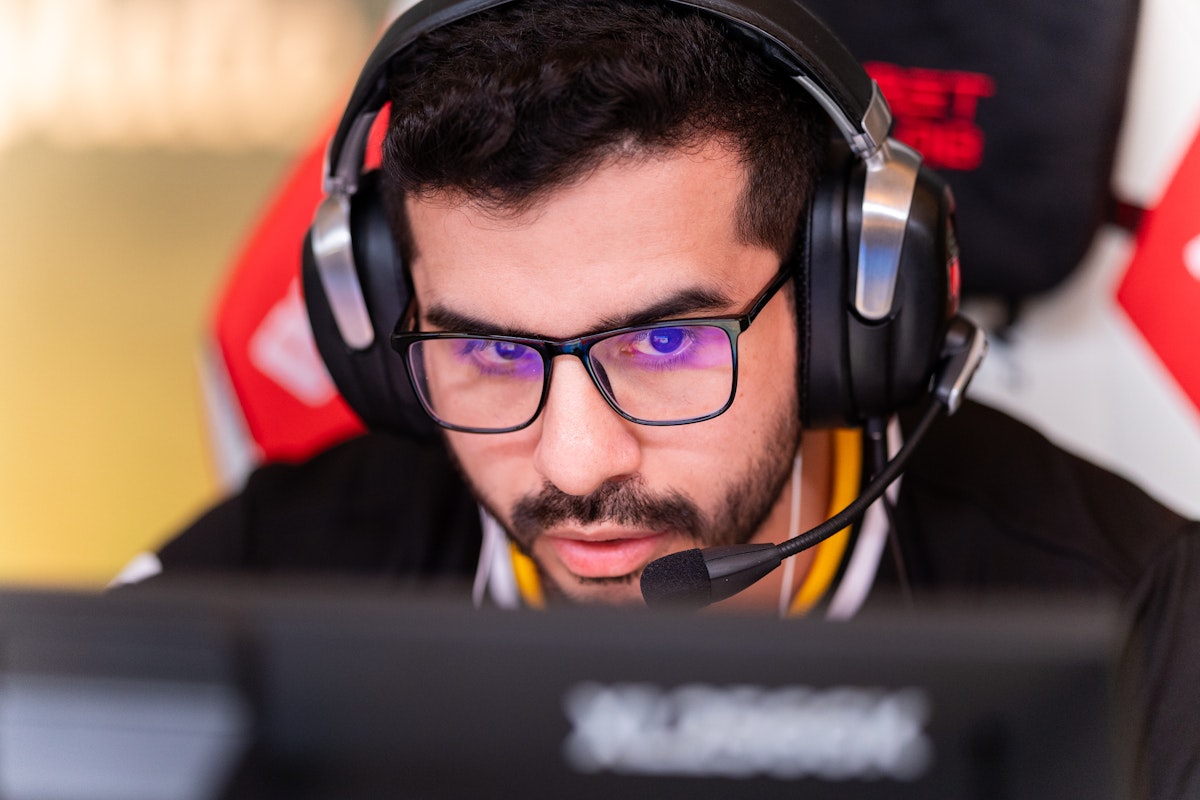
Two HLTV number one rankings, two Majors, two Major MVPs... all back to back, and a two-year stretch from 2016 to 2017 where the gap between him and the rest of the field as a rifler was as wide as any individual player has produced in the game's history. The jumping AWP clip on Cache at MLG Columbus became the game's most iconic individual play, which is a small detail compared to the actual record but reflects something true about who he was at his peak: a player who could produce results that should not have been possible in moments that decided championships.
What made coldzera specifically dangerous as a rifler was the combination of elite second-contact play, clutch conversion at a rate the statistics consistently validated, and a lurking game that opponents could not reliably track or prepare for. He knew how to take rounds that looked finished and find the path through them — not through mechanical superiority alone, but through positioning and timing that reflected an understanding of how rounds develop. The career arc after 2017 is the honest complication: his level declined considerably, and the question of how much of his peak was individual versus systemic within that SK Gaming roster does not have a clean answer. What does have a clean answer is that during those two years, he was the best player in the world by far, and the results — two Majors, two number ones, two MVPs — reflect that accurately. His peak, as dominant as it was, lasted two years — the players above him sustained their elite level for considerably longer, and that duration is the honest measure of the gap.
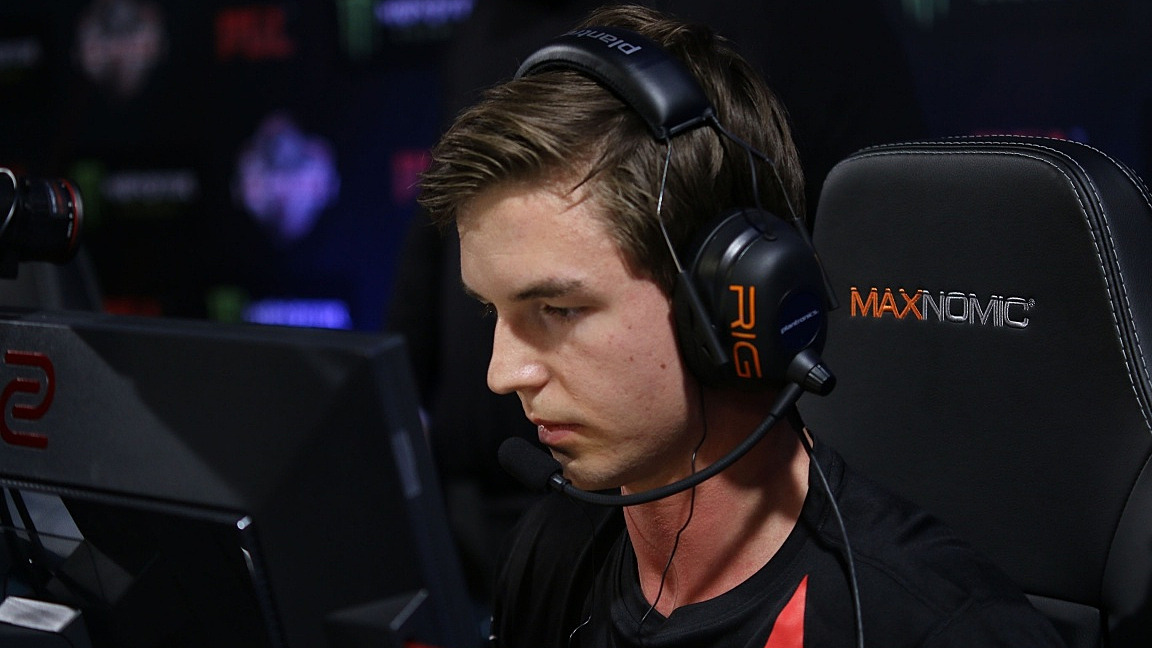
The dev1ce argument is often framed incorrectly — either as a product of the Astralis system who benefited from elite teammates, or as the central figure of the greatest dynasty the game produced, depending on who is making the case. The honest version is more specific than either. dev1ce was the best or second-best player in the world during Astralis's dominant period, producing numbers that were elite by any standard, not just relative to a favorable setup. Four Major wins. Two Major MVPs. Nineteen career MVPs, third all-time. And he sustained top-twenty HLTV placement for nearly nine years — a consistency record that no player who was ever operating at a similarly high ceiling has matched.
What makes him specifically interesting as a player is the gap between how he is perceived and what he actually did. He was not flashy. His AWP style was built around positioning and information control rather than aggressive flickshots, which meant he created advantages that didn't always translate into highlight-reel moments but consistently showed up in round outcomes. He was also a reliable second entry in a team context that demanded different things from him across different maps and opponents. The Astralis system was real, but dev1ce was its most consistent output across the longest stretch of that dynasty, and that is not easily separated from what he produced individually. His individual peak never reached the statistical dominance that s1mple and ZywOo produced during their respective best years — that gap is real, specific, and the honest reason for the placement.
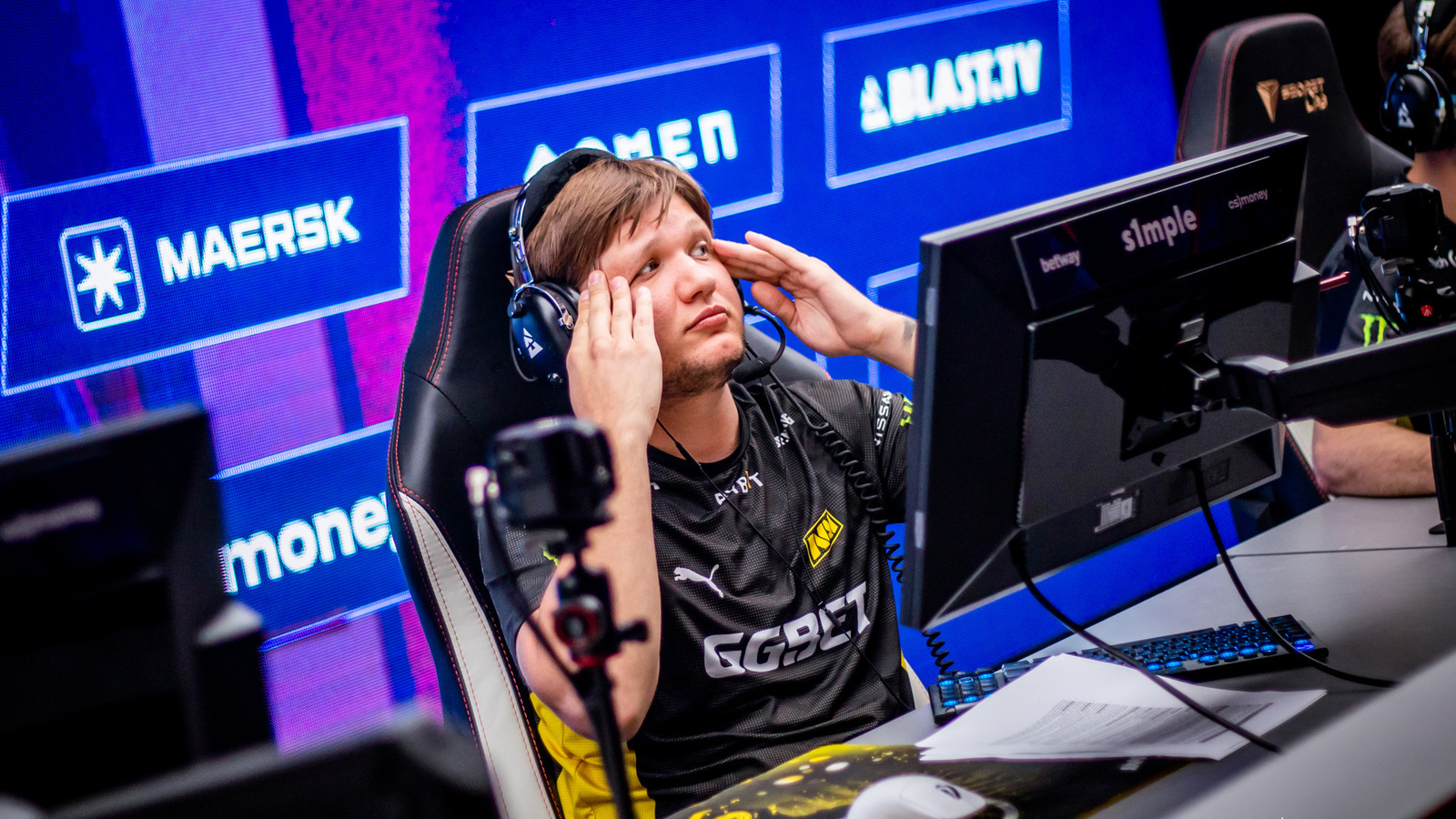
There is a version of the s1mple argument that focuses on the wrong things — the raw aim, the highlight clips, the mechanical ceiling — and misses what actually made him the most dominant player in the world for the better part of five years. What separated s1mple was not just that he was better at the mechanical components of the game than almost everyone else. It was that he played with an aggression and unpredictability that forced opponents to prepare for him specifically, and he still won anyway. AWP positions that no one at his level attempted, a pistol game strong enough to hold up against players whose entire identity was rifling, a rating profile across that peak stretch that sits above any comparable sample in the game's history.
Six HLTV top-five finishes in a row, including years where the gap between him and the second-ranked player was wide enough to be structurally significant rather than a matter of interpretation. The Major record — one championship, one MVP — is the honest limitation of his career, and it matters because Majors are the only tournament format where individual players cannot carry teams across best-of-threes against the best opposition in a compressed bracket. Whether that reflects something about his game specifically or about the rosters around him is a debate with legitimate arguments on both sides. What is not debatable is that his peak was the highest individual peak the game has ever produced, and that anyone ranked above him is ranked there because of something other than the ceiling of their play.
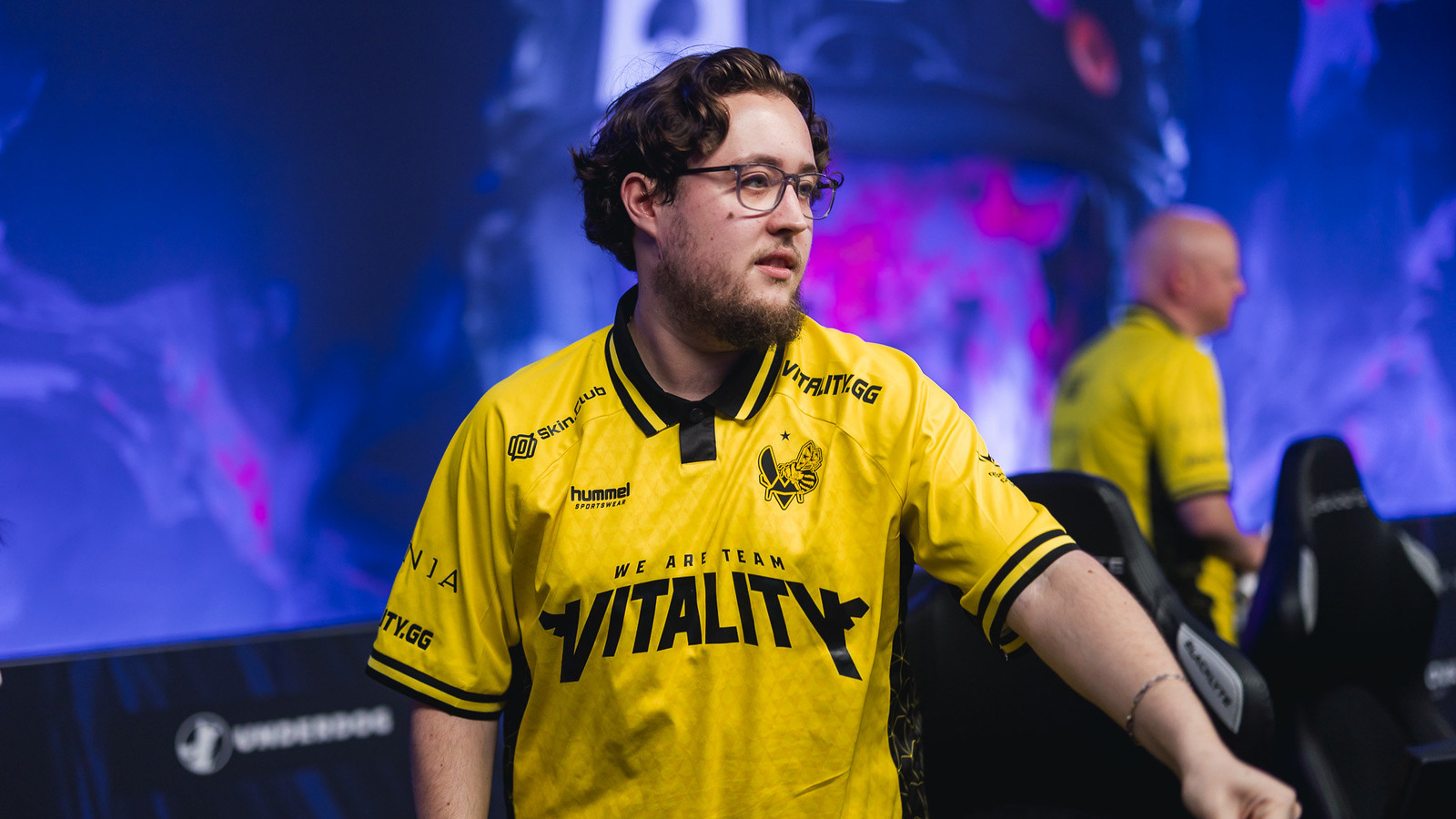
The statistical case for ZywOo at the top of any all-time list is cleaner than most people acknowledge, because it requires confronting a specific inconvenience: he reached the number one ranking in the world while s1mple was still actively competing at his peak, which is something no other player managed during that era. Four HLTV Player of the Year awards is a record. Thirty career MVP titles is a record. Three Major championships and three Major MVPs reflect a player who did not just perform well across the year but delivered specifically when the format demanded it most — a distinction that separates him from players with comparable regular-season output.
What makes ZywOo's profile unusual is the absence of an obvious weakness. He is among the all-time best AWPers in the game, but his rifle statistics at any given period would place him in the top tier of pure riflers as well. He plays with a composure that reads as passive until the round requires something different, at which point the aggression is precise rather than reactive. He has also done this from day one — his rookie year placed him as the top one player in the world, and he has not left the top 3 ever since. Unlike s1mple, whose level dropped considerably during the transition from CS:GO to CS2, ZywOo maintained his elite standard through that shift and continued competing at the very top of the game. The argument against him at number one is that s1mple's peak was higher in absolute terms. The argument for him is that his floor is higher, his trophy count is higher and his sustained excellence has now outlasted the window that defined s1mple's dominance. Both arguments are serious. His individual and team records makes the stronger case.
ropz · dupreeh · apEX · karrigan · donk · m0NESY · GuardiaN · JW · NEO · markeloff