Best Written
Videogame
Characters
of All Time
One character per game. Ranked across three criteria: arc (how well-crafted the character's writing is), weight (how much they carry the story), and satisfaction (how rewarding it is to follow them). This is not a popularity ranking. No spoilers for characters ranked 10 to 4. The top 3 discuss their arcs in full.
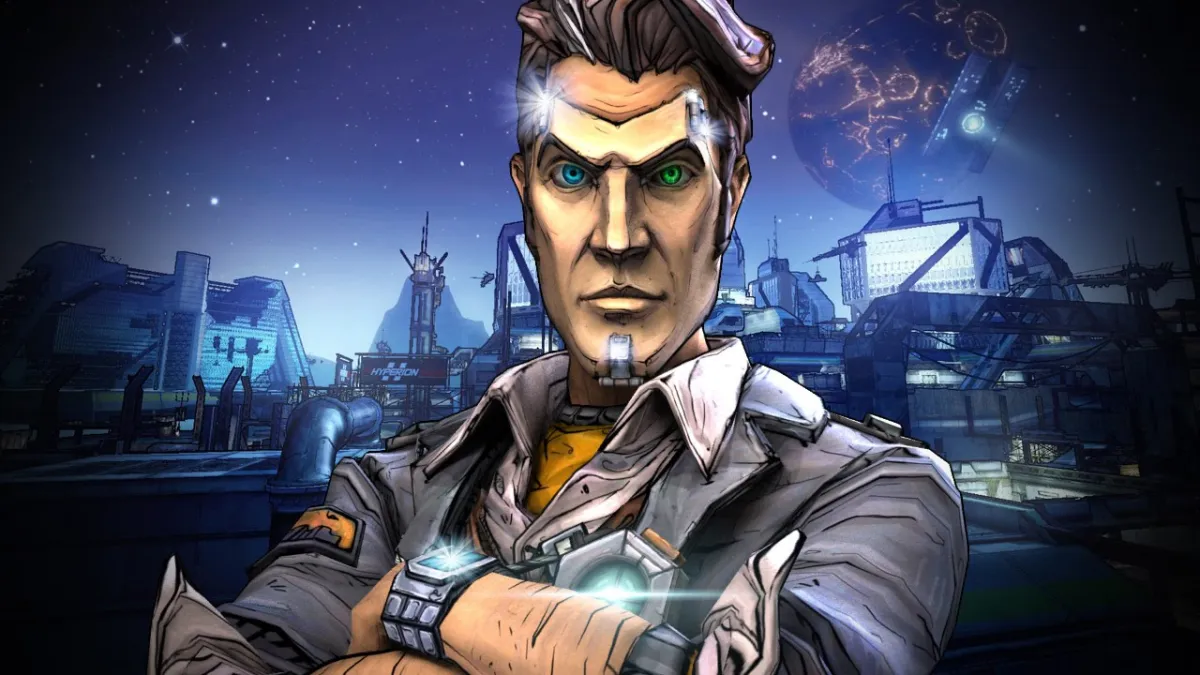
Jack is written around a specific psychological architecture that the writing reveals gradually and precisely — a man who constructed an identity as the hero of his own story so completely that he lost the ability to distinguish between the story and reality. The humor is not decoration. The writing uses it as the surface layer of something genuinely disturbing: his jokes, his casual cruelty, his complete inability to register other people as fully real are all expressions of the same thing.
What makes the writing quality exceptional is that the backstory the game eventually provides doesn't reduce him to his origins — it contextualizes them without excusing them. He wasn't inevitable. The writing implies he made choices that calcified into who he is, which is darker than a simple origin story. His narrative impact is total across the game even when he's just a voice in your ear, which is a specific technical achievement — sustaining a villain's psychological presence without constant physical confrontation requires the writing to know exactly who he is at every moment.
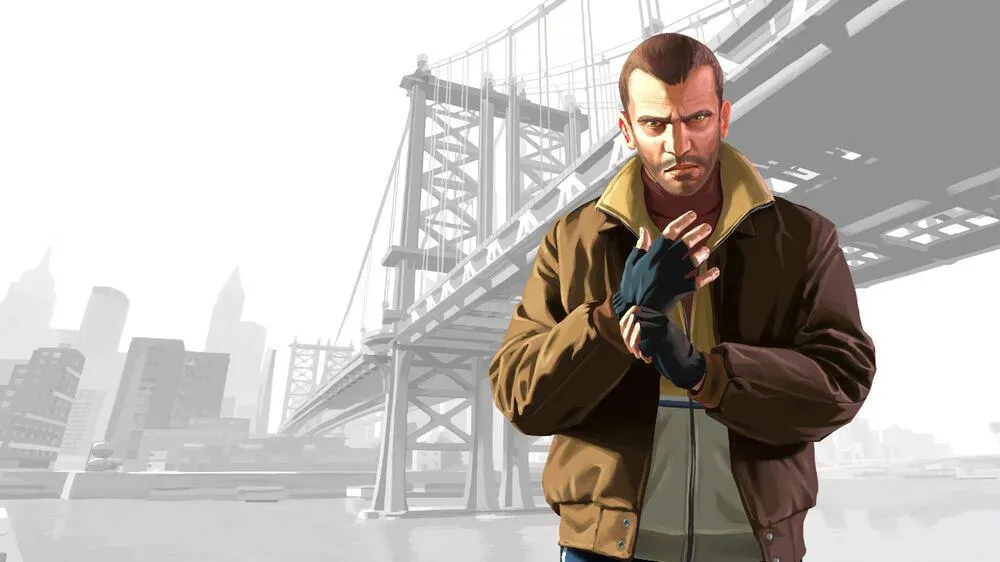
Niko is written as the most precise critique of the American Dream mythology that gaming has produced. He arrives in Liberty City with a specific and modest version of the dream — not wealth or fame but escape from what he was in the war, a chance to be someone whose past doesn't define him. The writing is careful to make that desire completely understandable and then equally careful to show the city grinding it down.
What's specific about his arc is that the corruption isn't dramatic — Liberty City doesn't turn Niko into a monster. It just keeps asking him to be the thing he already was, because that's what he's useful for. The conversations with Roman, with the cousins' dreams, with the women he gets close to — they're all the writing maintaining a record of what he actually wanted so that what he ends up doing carries its full weight. He never stops wanting the other life. The game just never makes it available.
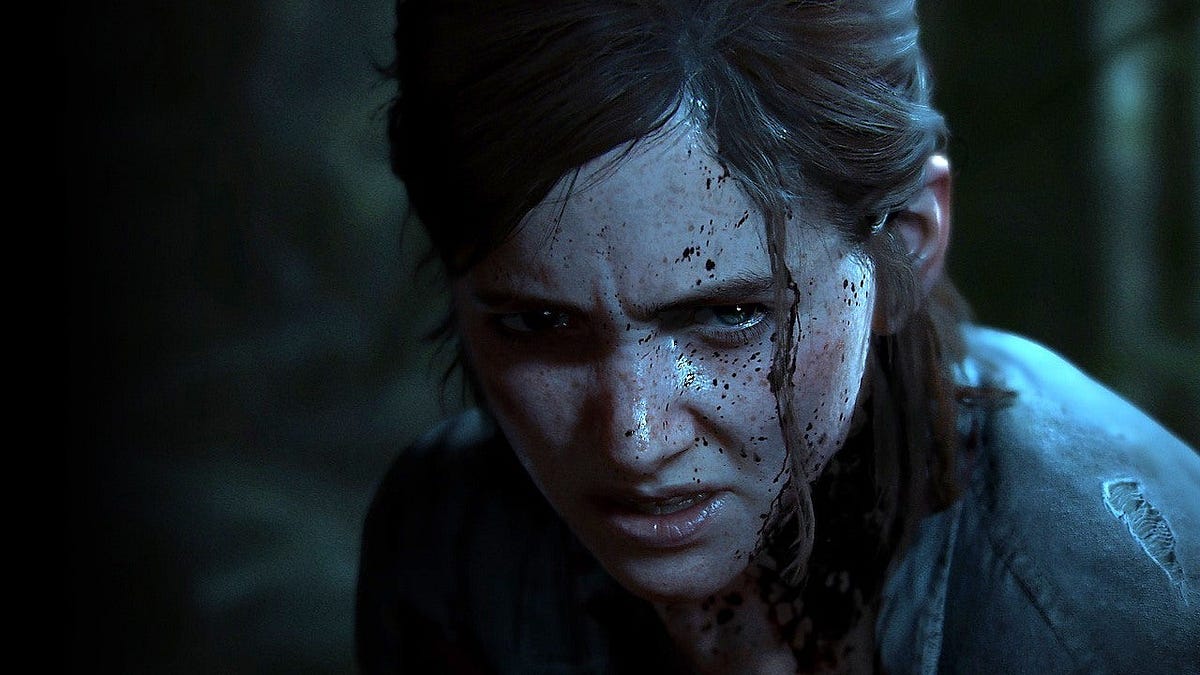
Ellie's writing across Part II is built around the specific psychology of inherited trauma. She didn't just lose Joel — she lost the version of herself that existed before she knew what he did. The writing is careful about this: her grief and her rage are not the same thing, and the arc tracks how she conflates them for most of the game. The Seattle section is structured to make you complicit in that conflation, pulling you through increasingly extreme violence while the writing quietly accumulates evidence that what Ellie is doing is not justice but consumption.
The ending doesn't redeem her or condemn her cleanly. The writing asks instead whether the person she's become is someone she can live with, and the final image suggests an answer that is honest rather than comforting. What makes the arc work as a piece of writing is that it trusts the audience to sit with that discomfort rather than resolving it into something easier.
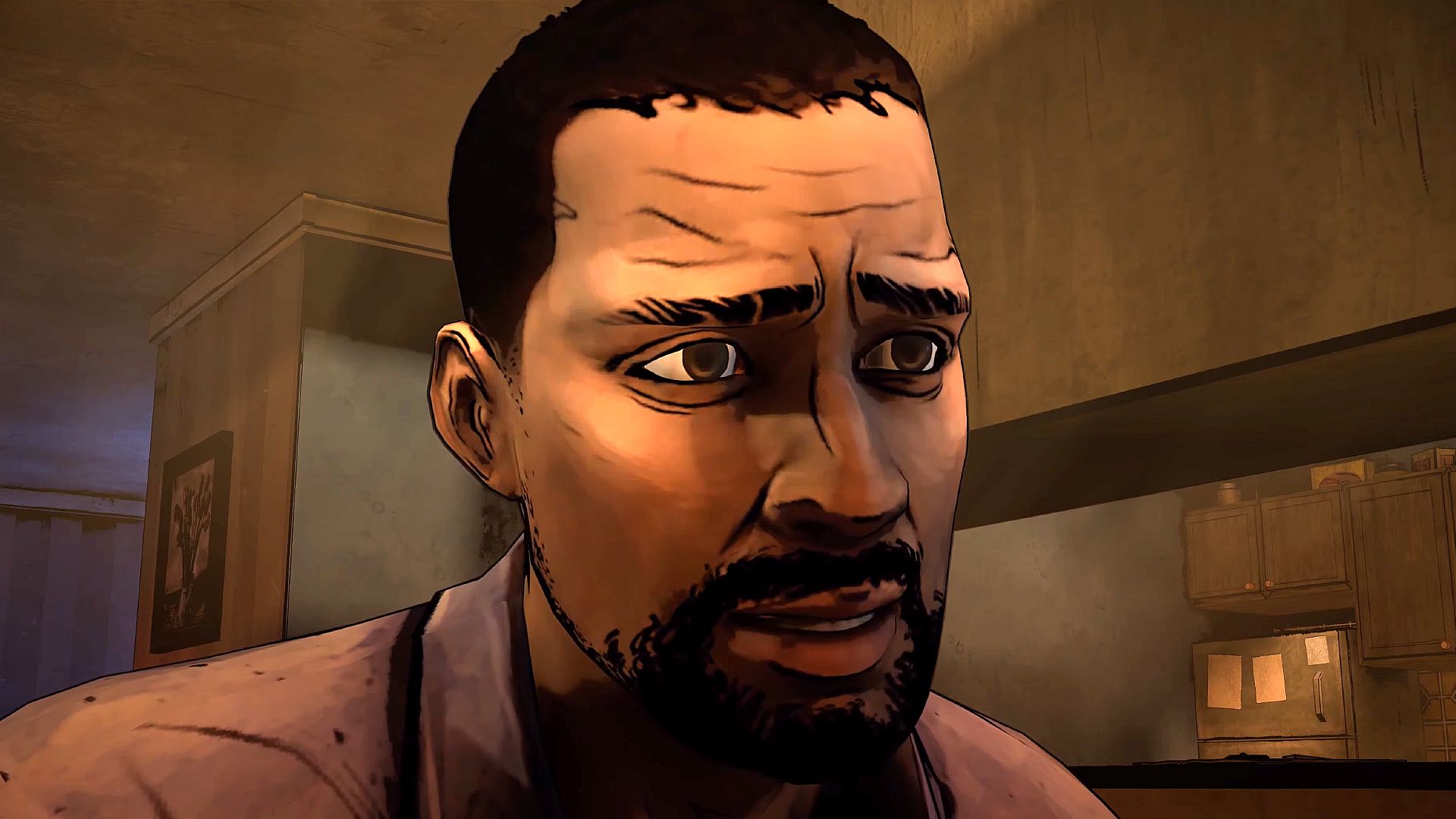
Lee is written around a specific kind of guilt that the writing never fully resolves because resolution isn't what the story is interested in. What he did before the apocalypse is established early and then quietly present in every decision he makes afterward — not as constant self-flagellation but as a background condition that shapes how seriously he takes the responsibility of protecting Clementine.
The writing makes the relationship between them the entire moral center of the game without ever making it sentimental. Lee is not a good man trying to become good again through fatherhood. He's a complicated man who found something worth protecting and is making that the organizing principle of whatever time he has left. The final episode is where the writing makes its most difficult demand — it asks you to direct Lee through his own ending, which is the game's most honest formal decision and the thing that makes the arc land as hard as it does.
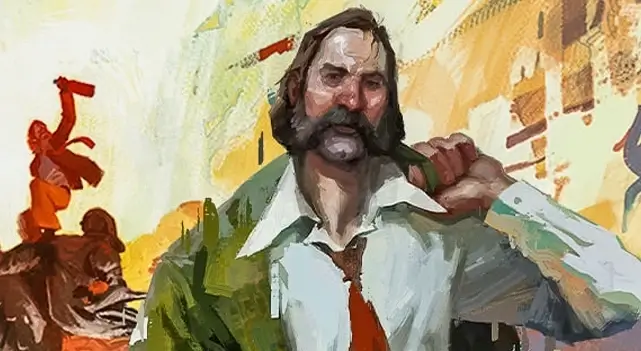
Harry is the most formally ambitious character on this list because the writing uses the game's mechanics themselves as part of his arc. The skill checks aren't just gameplay — they're the competing voices of a fragmented psychology trying to reassemble itself. You are literally playing the process of a man piecing himself back together from nothing, and every successful or failed roll is a small piece of that reconstruction.
What's specific about the writing is that it doesn't romanticize his destruction. His alcoholism, his failure, the things he did before the game begins — the writing holds all of it without making it aesthetically appealing or narratively convenient. The arc is about whether someone who has dissolved themselves completely can find a reason to reconstitute. The answer the game gives is neither comfortable nor complete, which is exactly right for what the writing is attempting.
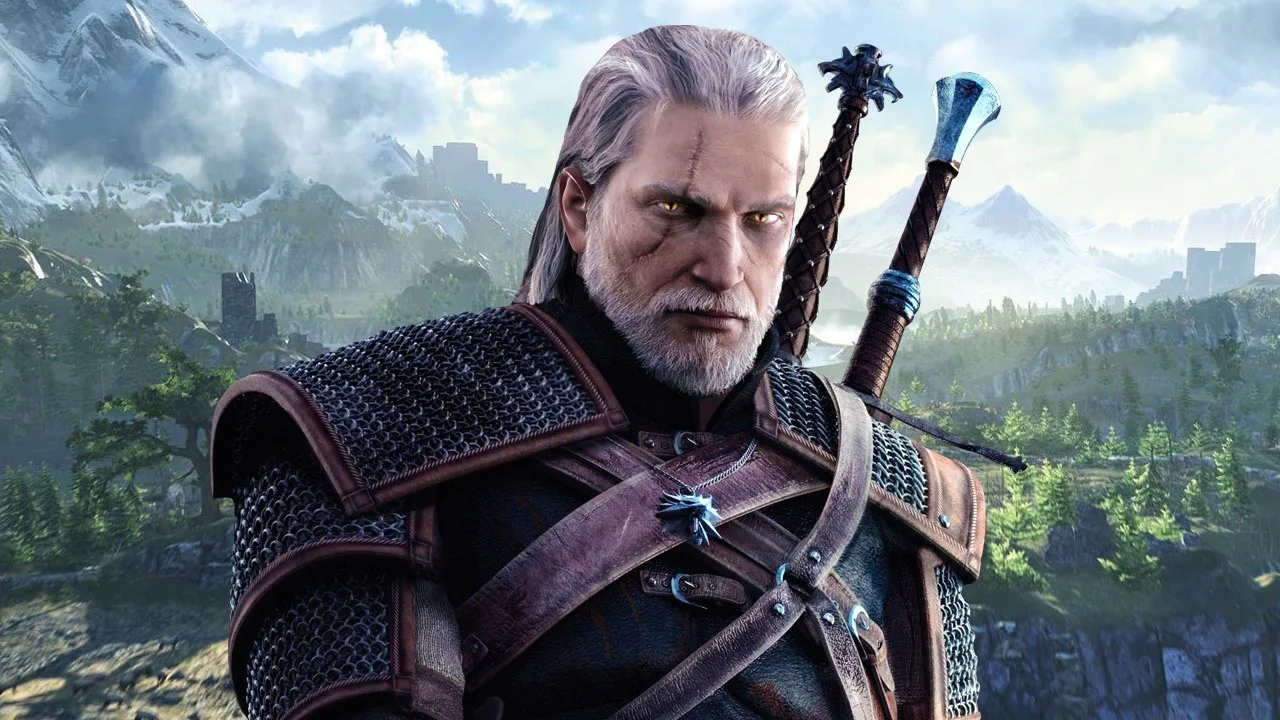
Geralt is written around the specific irony of a man who was designed to be emotionally neutral and is demonstrably not. The mutations were supposed to strip witchers of feelings that would compromise their work, and Geralt spends the entire series being visibly affected by the people around him despite his best efforts at detachment. The writing in The Witcher 3 specifically uses this not as a contradiction to resolve but as a tension to inhabit — he maintains the posture of someone who doesn't care while making choices that only someone who cares deeply would make.
What elevates the writing further is the moral framework the game builds around him. The world is constructed so that clean choices are rarely available, and the writing trusts Geralt to navigate that without reducing him to either cynicism or idealism. His decisions feel like the decisions of a specific person with a specific history rather than a player avatar making optimal choices.
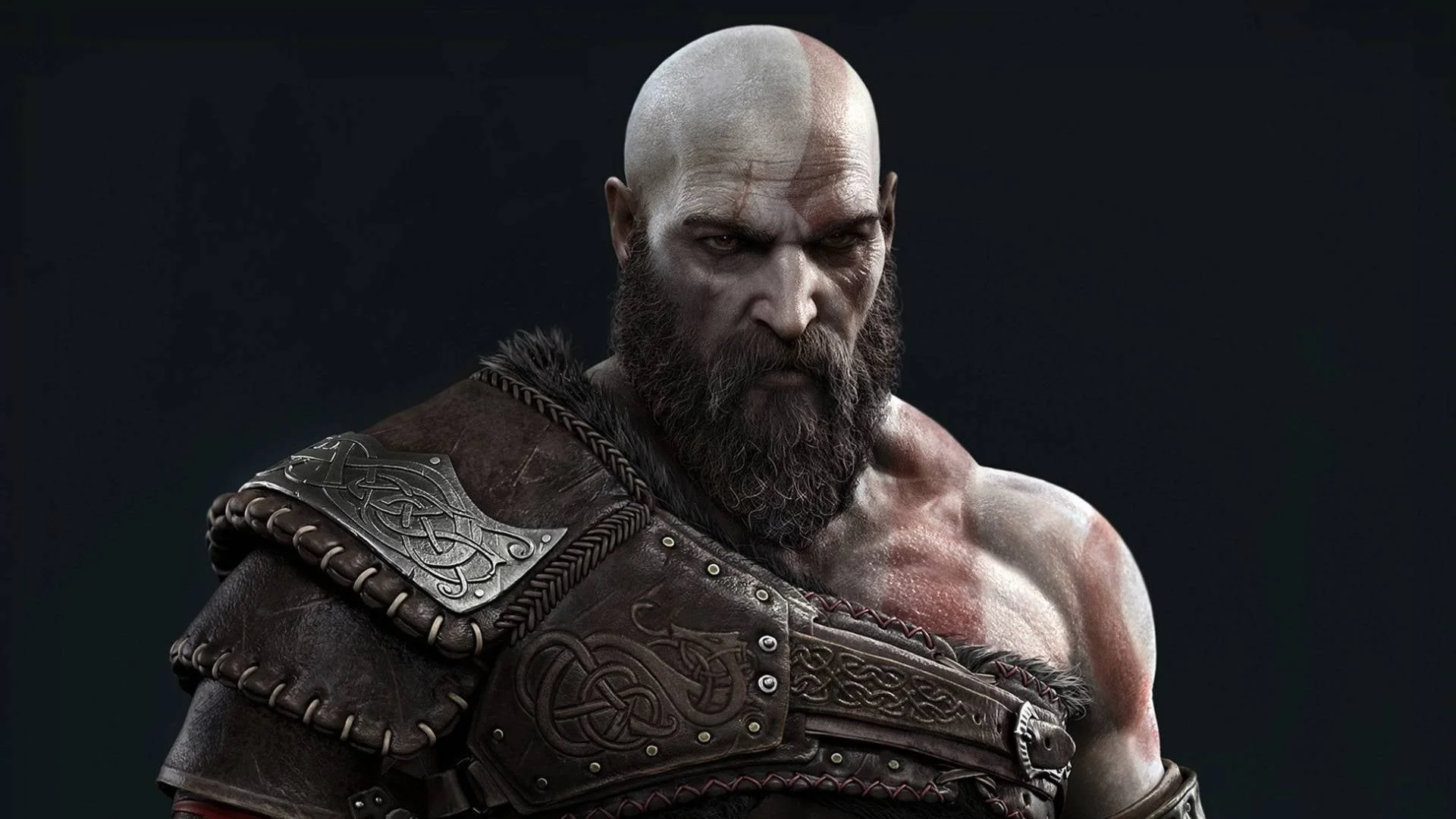
The writing decision that makes the 2018 version of Kratos work is restraint. The original trilogy used him as an engine of rage with mythological scale, and the new game takes that same man and puts him in close quarters with a child he doesn't know how to be a father to. What's specific about his arc is that the writing treats his violence and his emotional unavailability as the same problem — both are armor constructed after the destruction of his first family, and both are what Atreus keeps running into when he tries to reach him.
The journey to spread Faye's ashes is the writing's structural device for forcing proximity without manufactured warmth. Kratos can't leave, and the writing uses that constraint to slowly reveal a man who wants to be different but doesn't have the vocabulary for it yet. The arc doesn't complete in one game, which is honest — this kind of damage doesn't resolve cleanly — but the progress the writing makes within it is earned rather than sentimental.

John is written as a man trying to earn the right to a life he doesn't believe he deserves. The writing establishes early that his past is not something he has fully reckoned with — it's something he's trying to outrun by doing enough damage control that the ledger balances. What makes the arc work is that the story never confirms whether that's possible. Every mission John completes for the Bureau is the writing tightening the trap without him fully seeing it, and when the ending arrives it doesn't feel like betrayal — it feels like the only honest conclusion a story about this specific man could reach.
The final stand is the best written sequence in the game precisely because the writing has been patient enough that it doesn't need to explain itself. You already know everything you need to know about why he does it and why it matters.
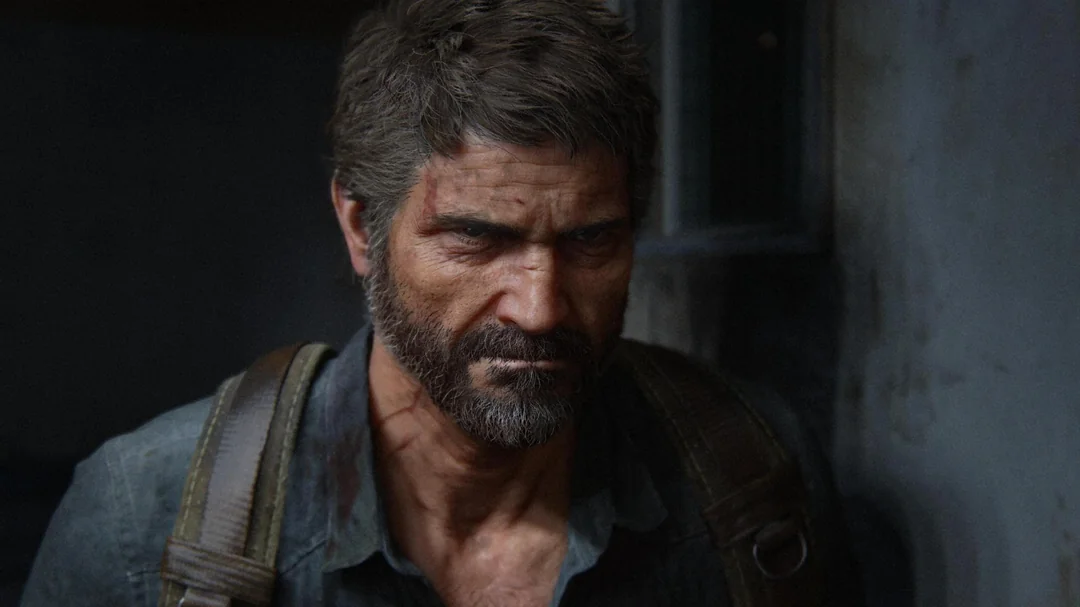
Joel is written around a wound the story never lets close. His daughter's death in the opening isn't backstory — it's the operating condition of everything he does for the rest of the game. The writing constructs him as a man who survived something unsurvivable by shutting down the parts of himself that made it unsurvivable, and the entire game is about what happens when Ellie starts reopening those parts without his permission.
What's careful about the writing is that it never asks you to forget what Joel is capable of. The violence is always present, always credible, always connected to the same mechanism that protects him from feeling too much. The ending is where the writing makes its most demanding ask — it requires you to understand completely why Joel does what he does at the hospital while recognizing that it is a monstrous choice. The writing earns both responses simultaneously, which is the hardest thing it attempts and the thing it does most successfully.
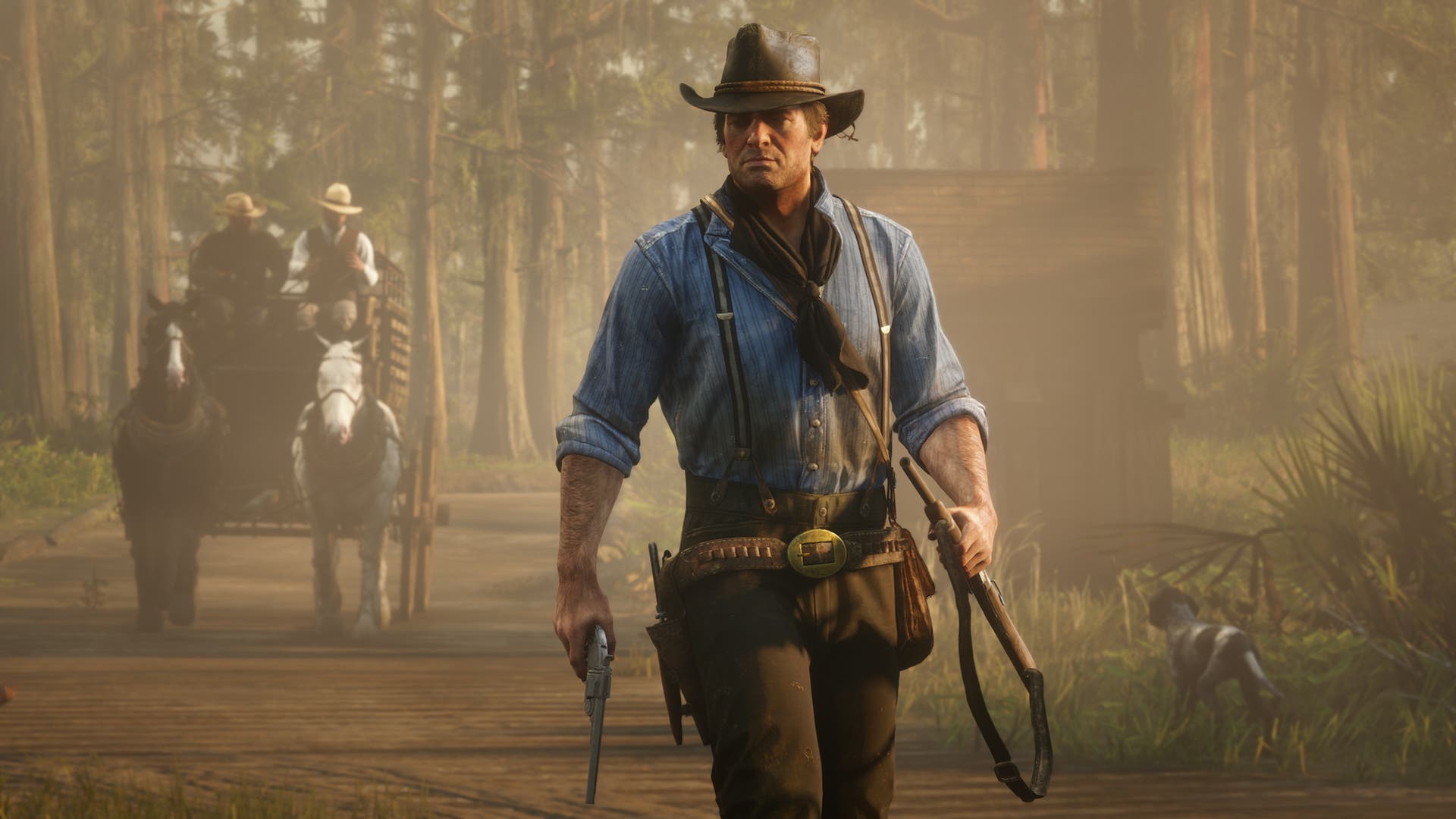
Arthur is written around a tension that the game takes its entire length to resolve — a man who has lived by violence and loyalty for so long that he has never had to ask whether those things were worth living by. The writing doesn't introduce that question artificially; it lets the circumstances of the story force it on him gradually. What's specific about his arc is that the moral reckoning doesn't come from a single dramatic moment of revelation but from accumulation — small interactions, the journal entries, the way he talks to strangers on the road.
The tuberculosis is the writing's most precise decision because it externalizes what was already happening internally. He was already dying in the sense that the life he'd built was already collapsing around him. The illness just gives him a timeline and removes the possibility of avoidance. What the writing earns in the final act is not redemption in the traditional sense — it's clarity. Arthur doesn't become a different person. He becomes fully honest about who he was, which is the only resolution his character could have without cheating on everything that came before it.