Best Written
Monster
Characters
Monster is a story about a doctor who saves a child's life and spends the next decade paying for it. But the series' real subject is character — almost every person in it is a precise study in how people are built, broken, and occasionally repaired. We ranked 15 characters head-to-head across three criteria: arc (how well-crafted the character's writing is), weight (how much they carry the story), and satisfaction (how rewarding it is to follow them). This is not a popularity ranking. No spoilers in the descriptions for characters ranked 15 to 6. The top 5 discuss their arcs in full.
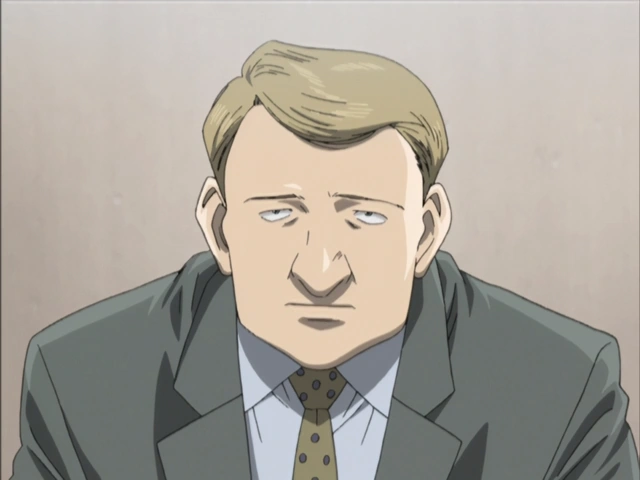
The criminal psychologist who brings professional confidence into his sessions with Johan and leaves with something his expertise has no framework for. Those sessions are constructed as precise dramatic irony: the reader can see Johan reading Gillen while Gillen believes he's doing the reading.
That gap requires the writing to establish Gillen's interiority clearly enough that you understand exactly how his professional confidence is being used against him, which it does. The frustration is that the arc doesn't fully complete — the writing shows him get dangerously close to something he can't process and then moves on without fully cashing out what that proximity costs him. What exists is a genuinely well-constructed piece of character writing operating at the edge of something that would have been exceptional if followed through.
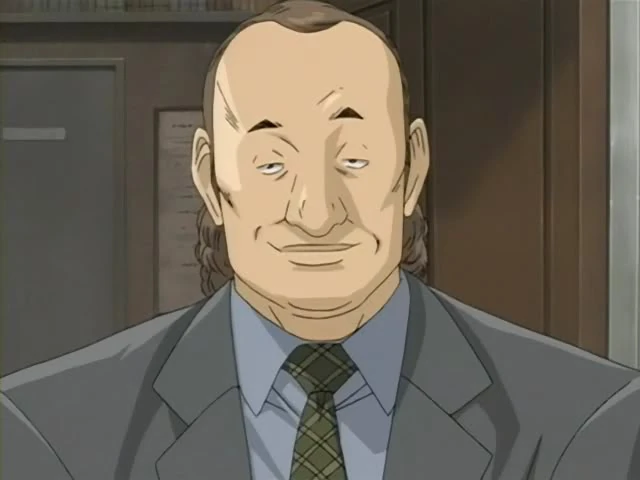
Roberto's writing front-loads its most interesting material in a way that limits what the criteria can reward. The Grimmer connection — two boys from the same program who became opposite things — is one of the most powerful ideas in the story, and the detail of the hot chocolate, the friendship, the shared origin is devastating in retrospect. The irony of Johan denying Roberto the world he'd devoted himself to building is genuinely dark and meaningful.
But almost none of this operates on screen in the moment. His extensive presence generates limited active investment because the writing uses him as an instrument rather than a person during his screentime. What's most compelling about him is what you piece together after the fact, which is a real quality of the writing but not the kind that lands with full force.
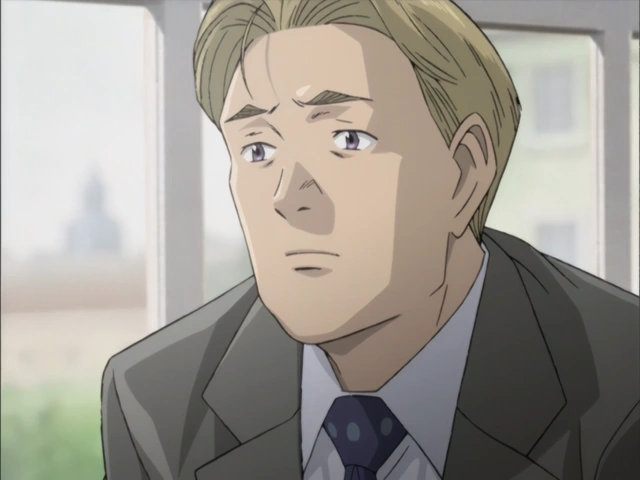
Idealism meeting institutional reality is a familiar shape, and what makes Suk work is that the writing is specific enough about his version of that pressure. He enters the story with a clear moral framework and genuine enthusiasm, and the Prague storylines test both in ways that feel earned rather than mechanical.
What develops in him isn't cynicism — the writing is careful about that — but a more complex understanding of what he's standing inside. The cases he works, the people he encounters, the proximity to Johan's trail all accumulate into a character who is recognizably the same person he was at the start but carrying more. He's not a deeply written character but he's a credibly developed one.
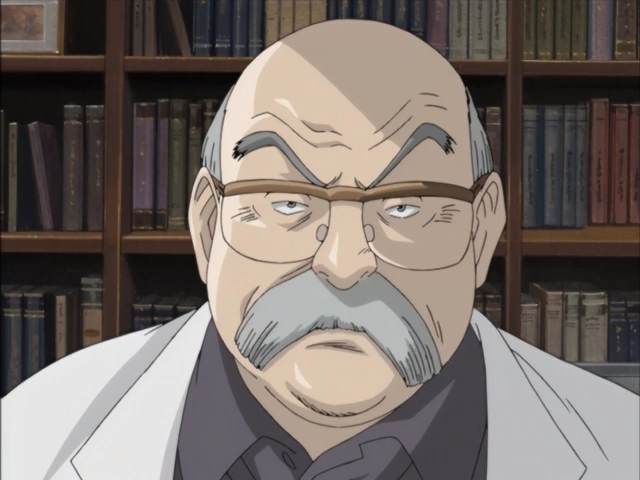
Reichwein is written as a stable ethical presence in a story full of people operating from damage or obsession, and the writing trusts him to hold that position across the full length without making him feel naive or static. What's specifically good about his writing is consistency — he approaches every situation from the same genuine care, and the writing never has to cheat on who he is to put him in the scenes he needs to be in.
Sustaining a credible, warm human presence across a long story without it becoming background furniture is its own kind of writing quality, and Reichwein earns that quietly across every scene he's given.

Martin's writing is economical in the same way Richard Braun's is, though operating at a smaller scale. He appears briefly, the dynamic with Eva is specific and human rather than functional, and his sacrifice lands with more weight than his screentime has any right to generate.
What the writing does well with him is avoid the temptation to explain him too much. His decency is shown rather than argued for, which makes his final choice feel like a genuine expression of character rather than a plot requirement. He's not a complex character but he's a precisely written one, and the emotional transaction his arc produces is real and immediate.
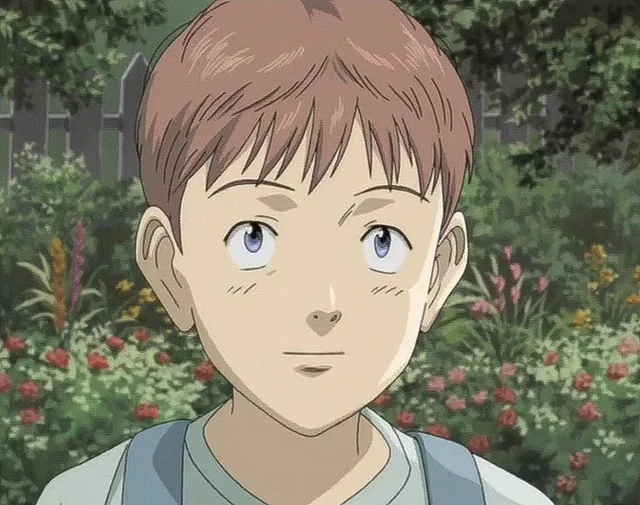
Dieter is written with a kind of invisible craft — he does his job so cleanly that you don't notice how much work he's doing. His function is specific: he's the concrete human reason behind Tenma's abstract moral struggle. When the philosophical weight of the story gets too heavy, Dieter is the writing's way of grounding it in a specific warm person standing in front of Tenma right now.
What's skillful about this is that it never feels mechanical. The relationship between them is genuinely warm and the writing earns that warmth without sentimentality. He doesn't have an arc in the developmental sense but he doesn't need one — his presence is a sustained emotional argument that operates below the level of conscious attention, which is harder to pull off than visible development.
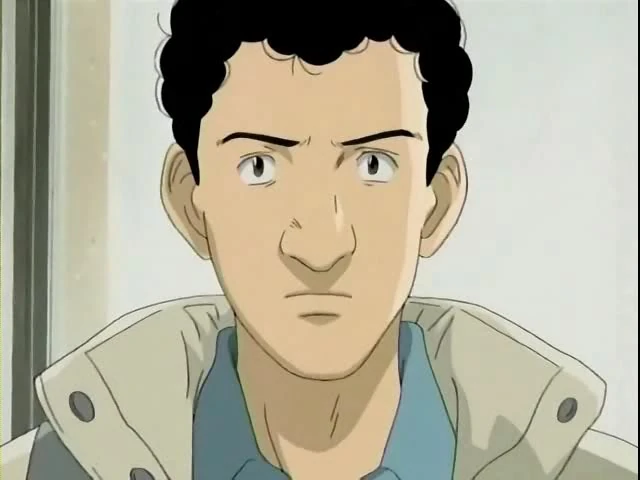
Ideology fills the space left by abandonment — that is what drives Karl's arc. The writing grounds his attraction to dangerous nationalism in personal need rather than abstract evil, which makes it more uncomfortable and more honest than a straightforward radicalization story. He needed somewhere to belong and something to organize himself around, and the writing traces that need directly to his father's absence without making it an excuse.
What gives the arc genuine quality is the resolution — the reconciliation with his father is earned rather than sentimental because the writing has been careful about what broke between them and what it would actually take to repair it. It's a quiet, human payoff of the kind Monster does better than almost anything else in the medium.
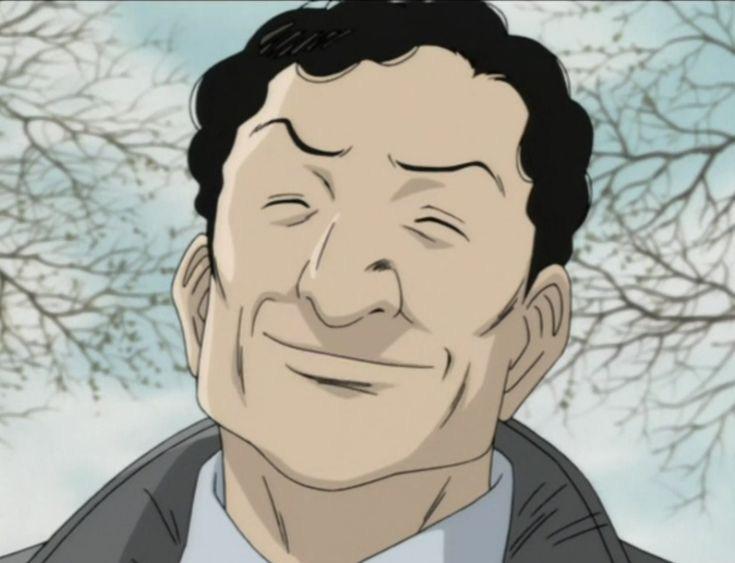
Braun works because the writing achieves with extreme economy what other characters require full arcs to accomplish. He's a brilliant detective who drank himself to the edge of ruin, stumbled onto Johan's trail, and the writing uses him to establish something essential early in the story — that getting close to Johan has a specific gravitational pull toward self-destruction that has nothing to do with weakness or coincidence.
What's specific about his writing is that his deterioration isn't framed as a flaw to overcome but as a symptom of seeing too clearly. The intelligence that makes him capable of finding Johan is the same thing that makes what he finds unbearable. Every scene tells you exactly who he is without waste, and the writing gives him enough humanity that his end lands with the weight of someone fully realized despite the limited space he's given.
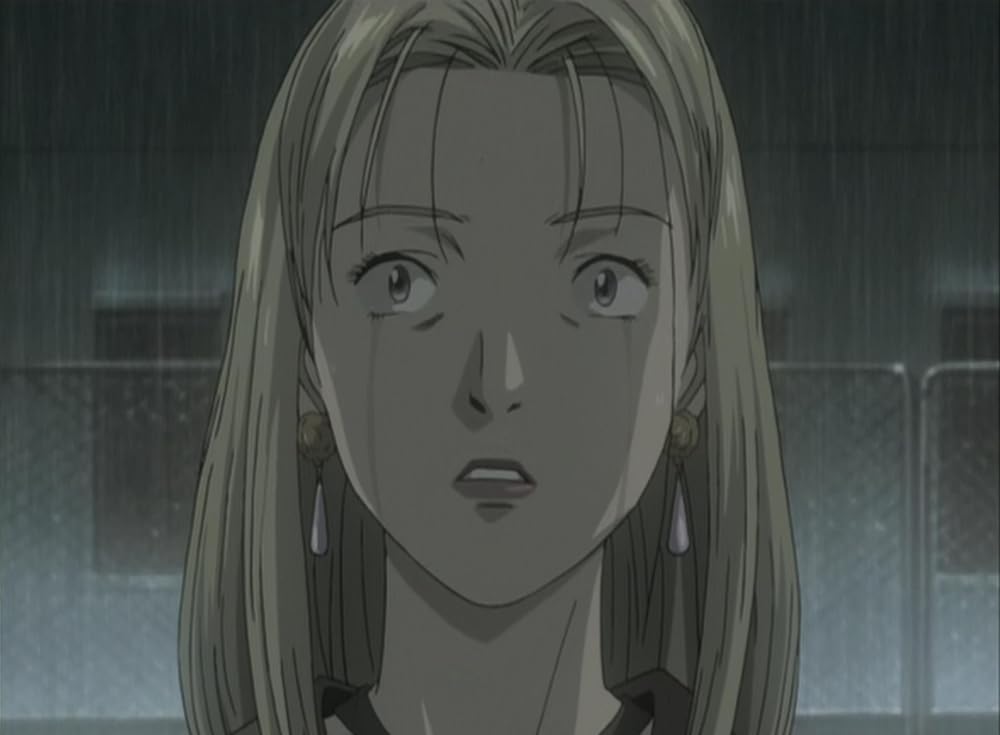
Eva is written against type consistently and without softening. She's introduced as cold and status-obsessed, and the writing spends its runtime tracing exactly where those qualities come from without using that origin to excuse them. She makes genuinely destructive choices throughout the story and the writing holds her accountable for them while showing the full architecture underneath — a woman who organized her entire sense of self around status and a particular kind of man, lost both, and had to confront whether there was anything underneath worth keeping.
The arc is one of the less celebrated in the series but one of the more honest. She doesn't transform dramatically or arrive at warmth cleanly. She becomes more truthful about who she is and what she wants, which is a different and more credible kind of development. The writing quality is strongest in its refusal to make her recovery comfortable.
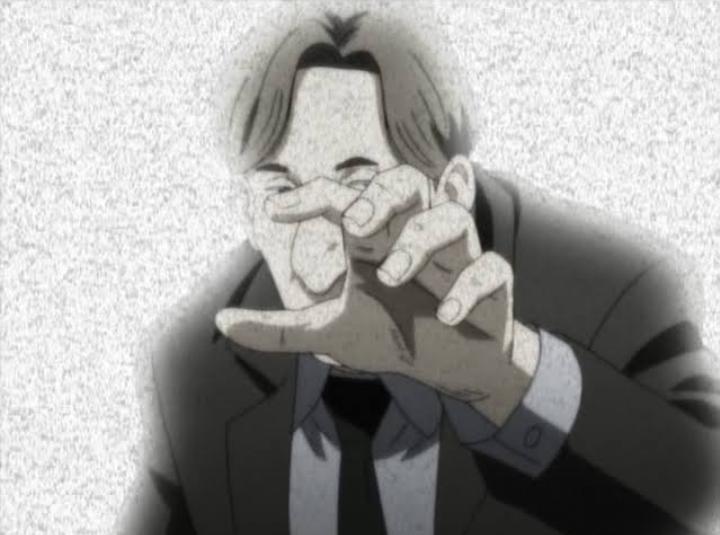
He believed in what he was making. Inside the darkest institutional context imaginable, Bonaparta tried to create something genuinely beautiful — a story that gave abandoned children a sense of identity and meaning — and the result was Johan. The picture books weren't cynical. That's what the writing insists on and what makes his guilt so specific. He wasn't a monster who made a monster — he was someone who believed in what he was making and didn't understand what the environment would do with it.
His arc in the Ruhenheim chapters shows a man who has spent years trying to outrun authorship of something monstrous by becoming someone else entirely, living quietly, loving carefully. The writing doesn't redeem him or condemn him cleanly, which is the right call. What he made cannot be undone, and the writing doesn't pretend otherwise.
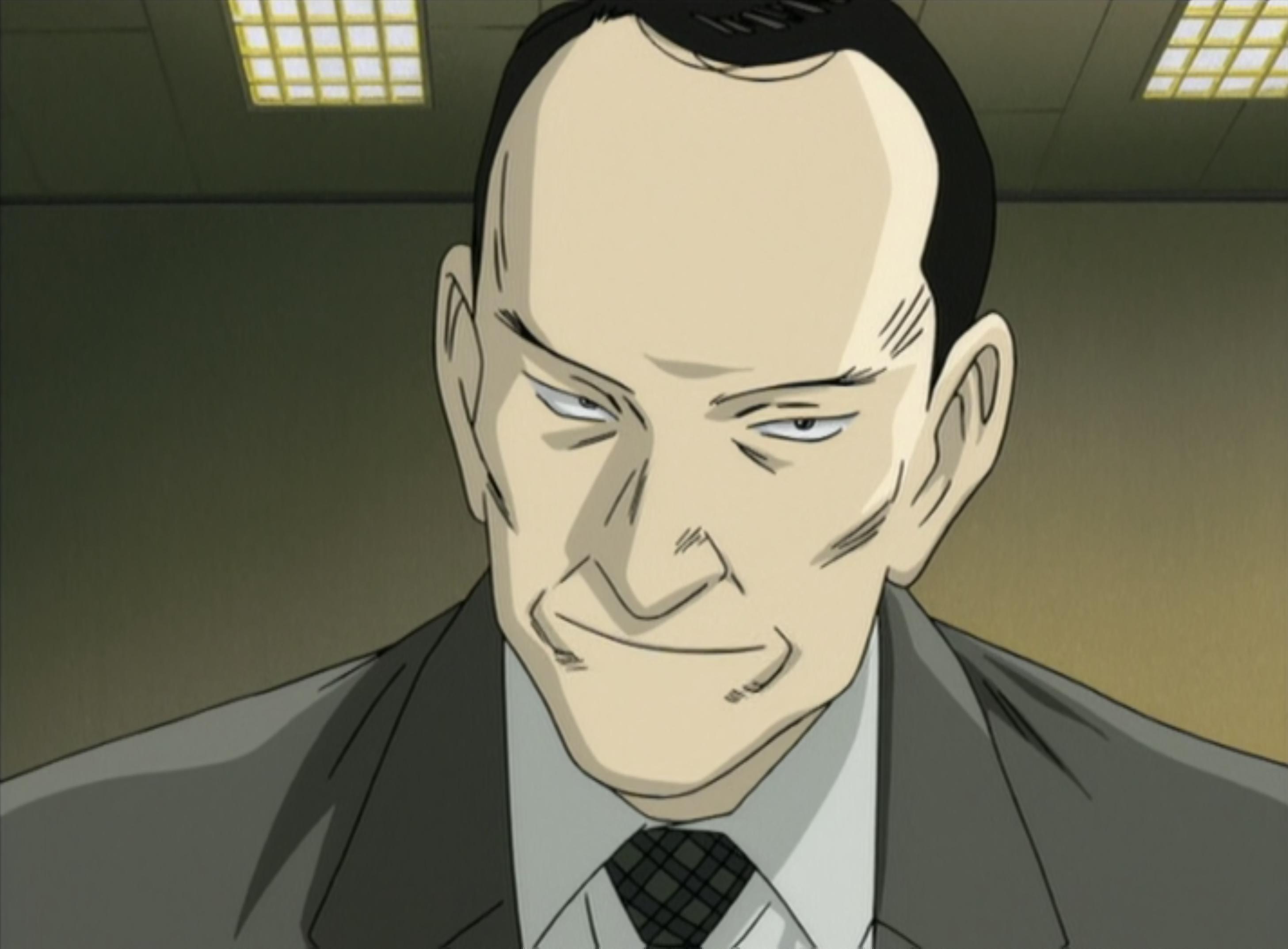
He is almost always right, except about the one thing his entire identity depends on being right about. That is the structural irony the story has to sustain across its full length without turning him into a figure of frustration, and it succeeds because the writing keeps his reasoning coherent throughout. His methodology isn't just professional practice, it's existential architecture — he has replaced human intuition with a system of internal modeling so precise that he can reconstruct psychology from evidence alone, and that system told him Tenma was guilty.
The writing never reduces him to stubborn blindness — every step of his reasoning is coherent, he was working from legitimate evidence toward a wrong answer, which is a much harder and more interesting thing to write. What elevates his arc is that the obsession stops being professional and becomes personal over time. His model doesn't fail. Which means if Tenma is innocent, something foundational about how Lunge understands himself has to give. Watching that pressure build across the full story while he keeps functioning is one of the more quietly impressive pieces of sustained character writing Monster offers.
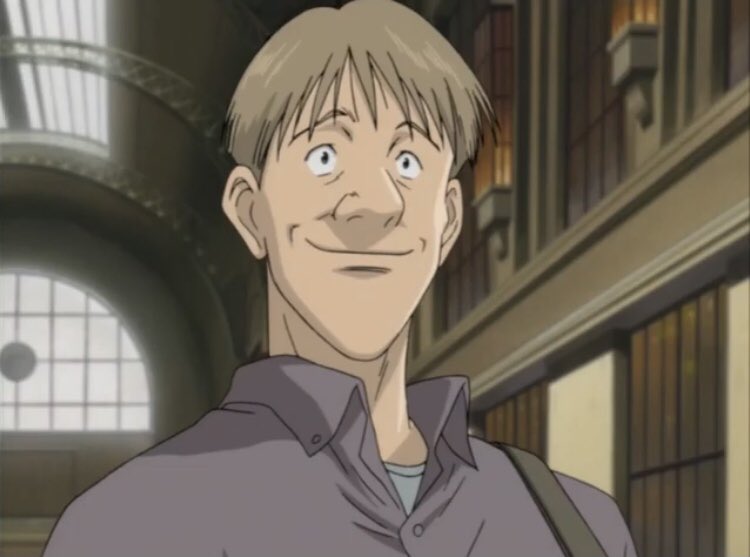
What the Kinderheim program took from Grimmer was not his memories or his capacity to function — it dismantled the emotional apparatus itself. He doesn't feel things naturally anymore. He performs emotions because he learned what they look like from the outside, which is a different and more specific kind of damage than ordinary trauma. The question his arc builds across its length is whether something removed that completely can ever come back.
What the writing does carefully is show this not as emptiness but as a very particular kind of loneliness — he can observe warmth and connection without accessing them, and he knows it. Every scene tracks that gap without making it pitying. His death is the finest single moment any supporting character gets in the series because the writing earns it so completely, and the specific detail of what happens in his final moments is the only honest resolution his arc could have.

She has constructed a complete, warm, functional identity — loving family, stable future, clear sense of who she is — on top of a foundation that isn't hers. The trauma was total enough that survival required burying the self who experienced it; Nina became someone else specifically to keep that buried. When that starts unraveling the writing is precise about what recovery actually costs: not liberation but destruction of the self she built to survive, followed by the open question of what comes after.
What complicates this further is Johan. The writing never resolves the emotional logic of her relationship with him into something simple — she loves him, she knows what he is, and those two things cannot coexist within any framework the story offers her. Her arc is the most psychologically dense in the story precisely because it holds that irresolvable contradiction across the full length without flinching.
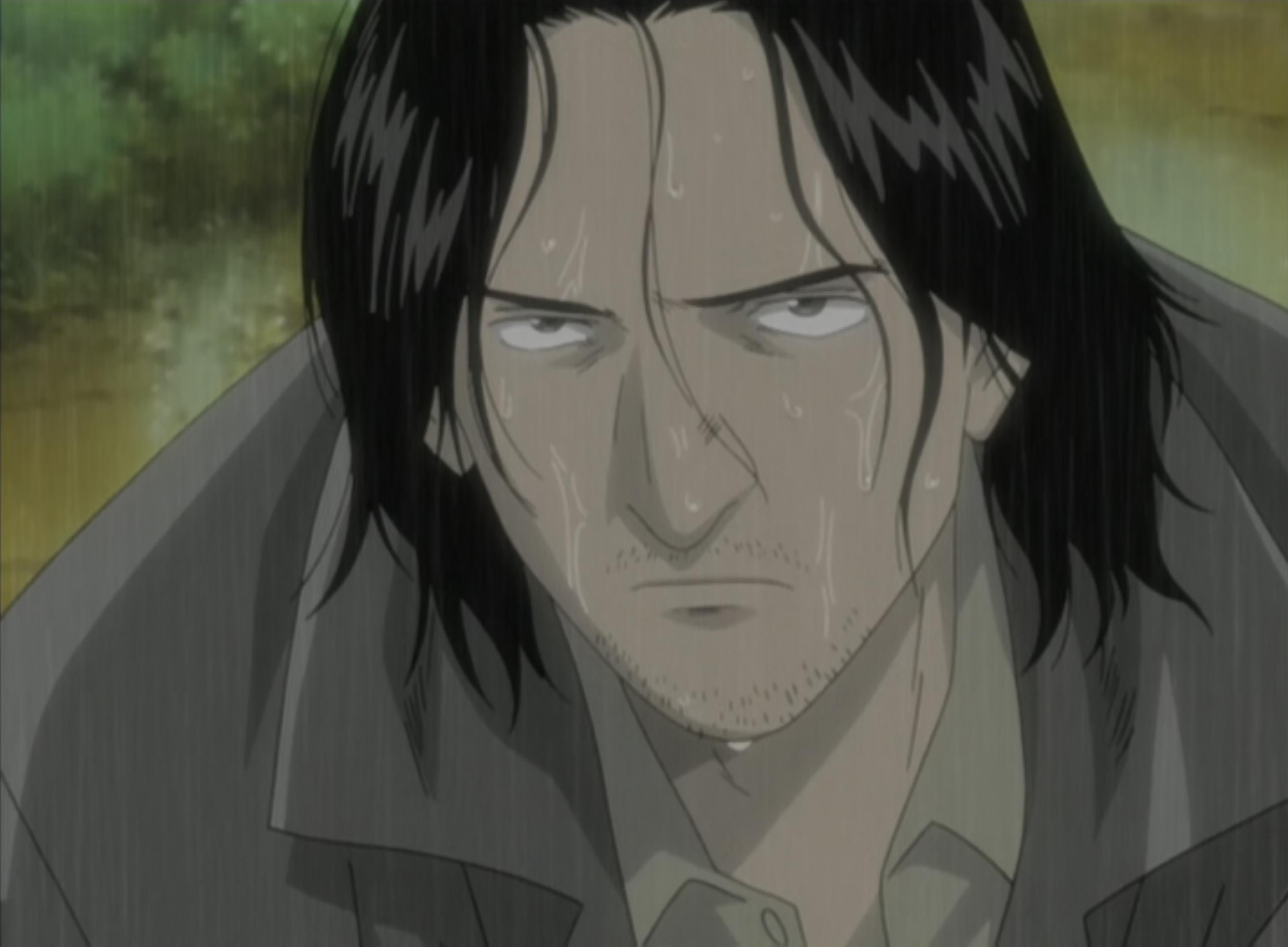
He makes one decision — letting Direktor Heinemann die to save a child — and the story spends its entire length testing whether that decision was right, wrong, or simply his. What's careful about the writing is that it treats that question with complete seriousness rather than resolving it into naivety, and it never answers it cleanly.
It puts him in situations of escalating extremity where his refusal to abandon his principles costs him and others repeatedly, without ever framing that refusal as foolishness. The writing trusts his goodness enough to stress-test it across the whole story without breaking it artificially or redeeming it cheaply. The culminating scene where he faces Johan is earned across that full length — not because of what he does in the moment but because of what every prior scene established about who he is when the choice is hardest.
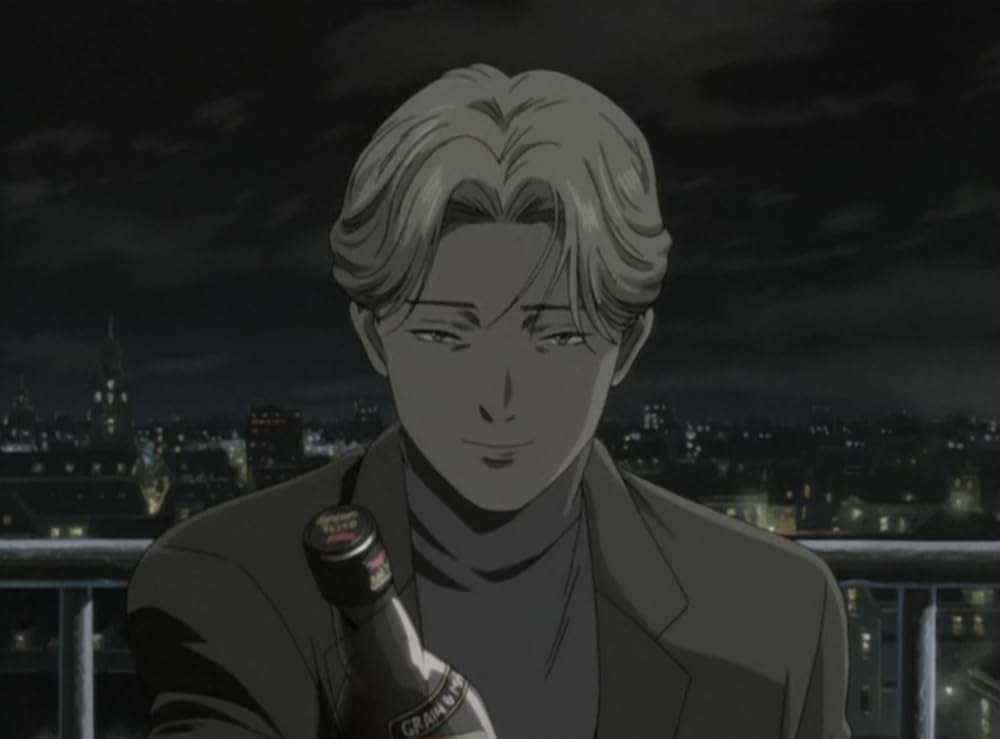
The writing decision that defines Johan is withholding. Almost every other character in the story is built around interiority — you understand them through what they think and feel and remember. Johan is built around the absence of that. You understand him almost entirely through what he leaves behind in other people. The picture books, the twin room, Bonaparta's guilt, Nina's buried memories — these are fragments the reader assembles into a psychology that the story never fully confirms.
What makes that decision work rather than feel like a cheap mystery is that the fragments are consistent. Every piece fits. The writing constructs a coherent inner world for Johan without ever showing it directly, which is a harder technical achievement than it sounds. The other crucial decision is refusing to reduce him to his origins. The program, the picture books, the childhood — they provide context without providing explanation. The writing insists there is a remainder in Johan that the circumstances don't account for, and that remainder is what makes him genuinely unsettling rather than just tragic.