Best Written
Animanga
Protagonists
15 animanga protagonists ranked head-to-head across the full range of what character writing can do: complexity and layers (contradictions, hidden depth, interpretative density), psychological depth (internal conflict, realism of motivation, coherence of behaviour), thematic integration (how completely the character embodies what the work is actually about), and arc completeness (whether the journey earns what it arrives at). No single category decided placement — but every placement can be defended on all of them. Ranked using Sortoff.
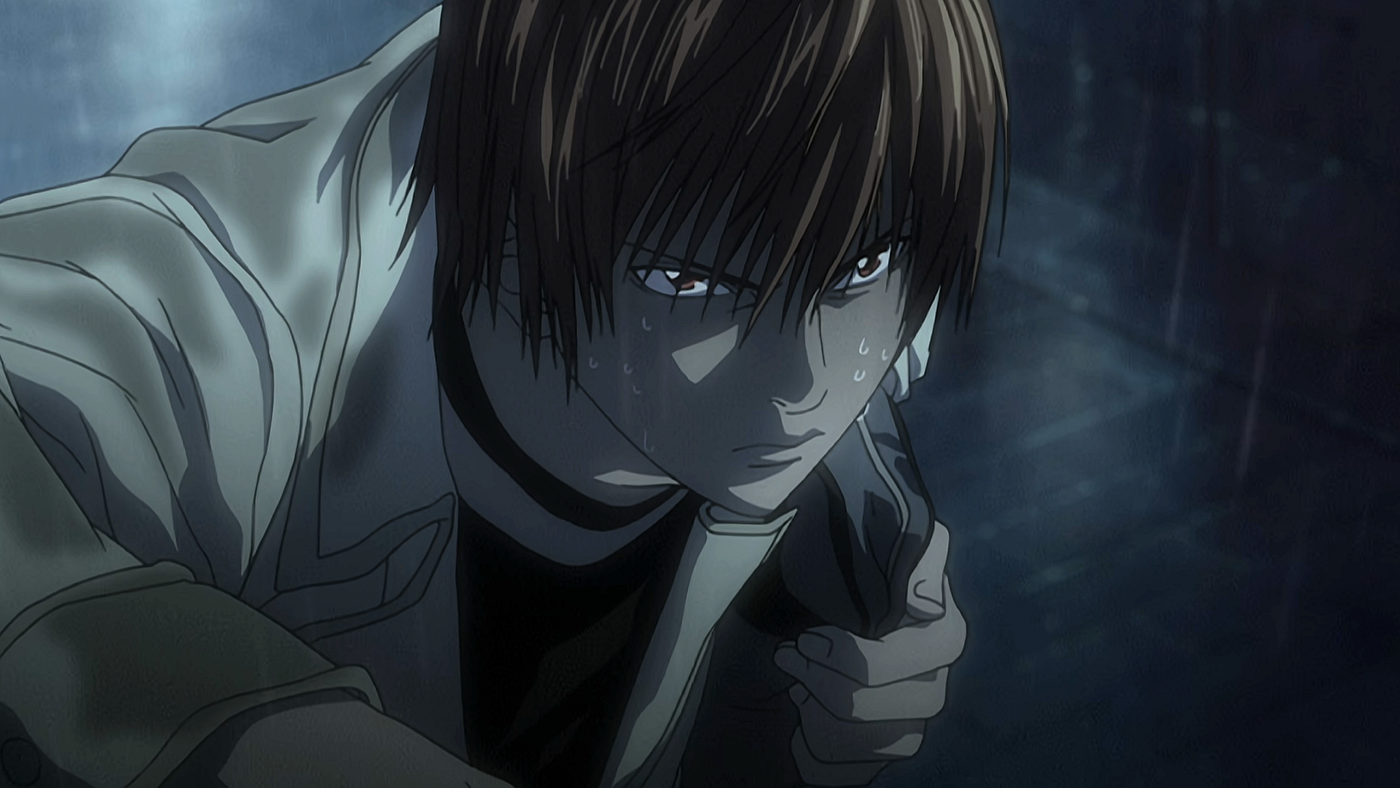
A prodigious student who discovers the Death Note and initiates a project to remake the world by eliminating those he deems evil. Light Yagami is not a villain story in the conventional sense — it is a portrait of a constructed worldview becoming indistinguishable from the self that constructed it, written in real time, with the reader inside the rationalisation as it forms.
The L arc is the high-water mark: a sustained period of psychological cat-and-mouse where Light's internal monologue and his justifications share the same voice, and the seams don't appear until you look for them. The early writing is exceptional because the rationalisation is persuasive — the reader understands him before being told how to feel about him. Post-L, the writing contracts: the human conflict is resolved, the pure construct remains, and the opposition it faces is never again equal to what it faced in the first half. The contraction is coherent. It is also a narrower canvas, and the characters above him sustain their full range across the complete arc rather than burning brightest in one half.
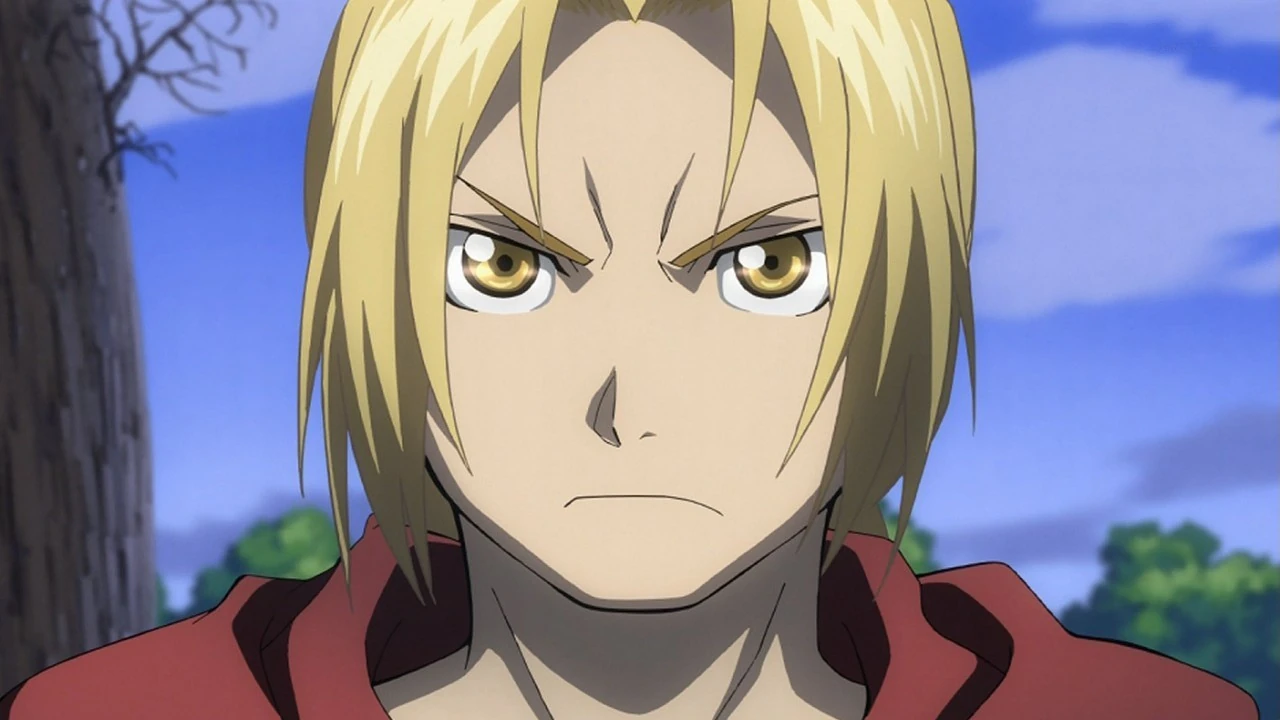
The youngest State Alchemist in history, a boy who paid an irreversible price to understand loss — and spent the rest of the series learning that equivalent exchange is not how the world actually works. Edward Elric enters Brotherhood with a creed he believes in absolutely, and the narrative spends 64 episodes systematically dismantling it through every form of consequence the story can produce.
The structural execution in Brotherhood is the cleanest in the genre. Equivalent exchange runs as a genuine metaphor through every arc and is negated in the ending in the most direct possible way: some things cannot be recovered or replaced because human relationships do not operate like alchemy. His range covers growth, sacrifice, brotherly dependency, professional ethics, and a specific kind of pride that functions simultaneously as flaw and engine. What separates him from those above is that his psychological interiority is explicit and orderly — the writing always knows what it is doing, which is a strength and also a ceiling. There is nothing in Edward that sustains reinterpretation on second reading.
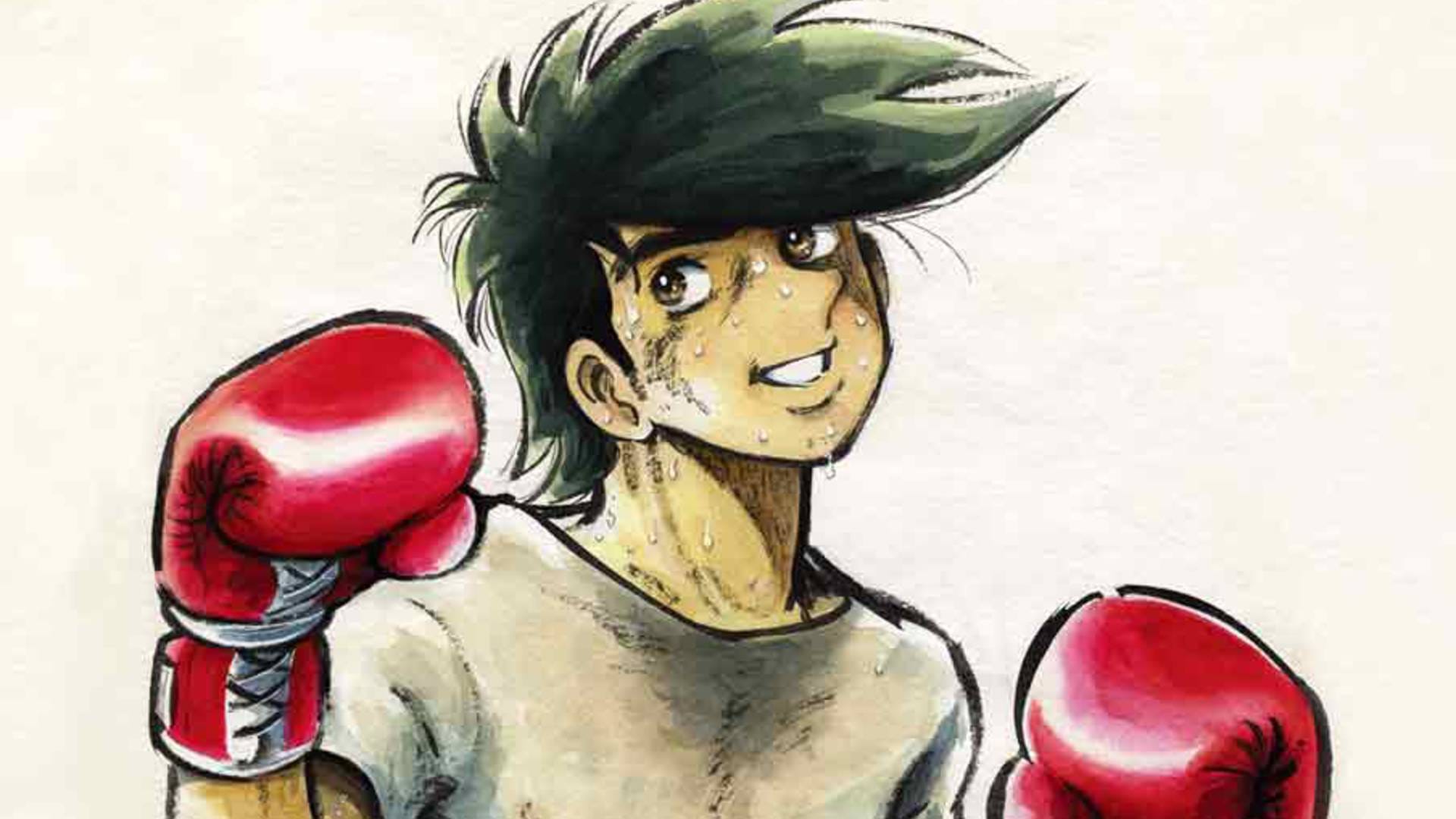
A delinquent from Doya-chō who discovers boxing through a washed-up coach's obsession and rises through a professional career built as much around failure as achievement. Joe Yabuki was written in 1968 by Asao Takamori and produced something the sports genre has almost never repeated: a protagonist whose greatness and his destruction are the same thing, not sequentially but simultaneously.
Joe's writing prioritises authenticity over aspiration. He is difficult, ungrateful, and built for the ring in a way that does not translate to anything outside it. The Rikiishi Tōru rivalry is the best rival relationship in sports manga — two fighters who recognise something in each other that neither can name and neither can stop pursuing — and its resolution is devastating precisely because Takamori refuses to soften it. His conclusion is one of the strongest in the medium, earning its weight through everything that precedes it rather than through sentiment applied at the end. What separates him from Araragi is mode rather than range: Joe's psychology surfaces through action and circumstance, legible in what he does and refuses rather than in what he thinks. The Monogatari Series makes self-knowledge its central subject; Joe makes it largely irrelevant to his greatness.
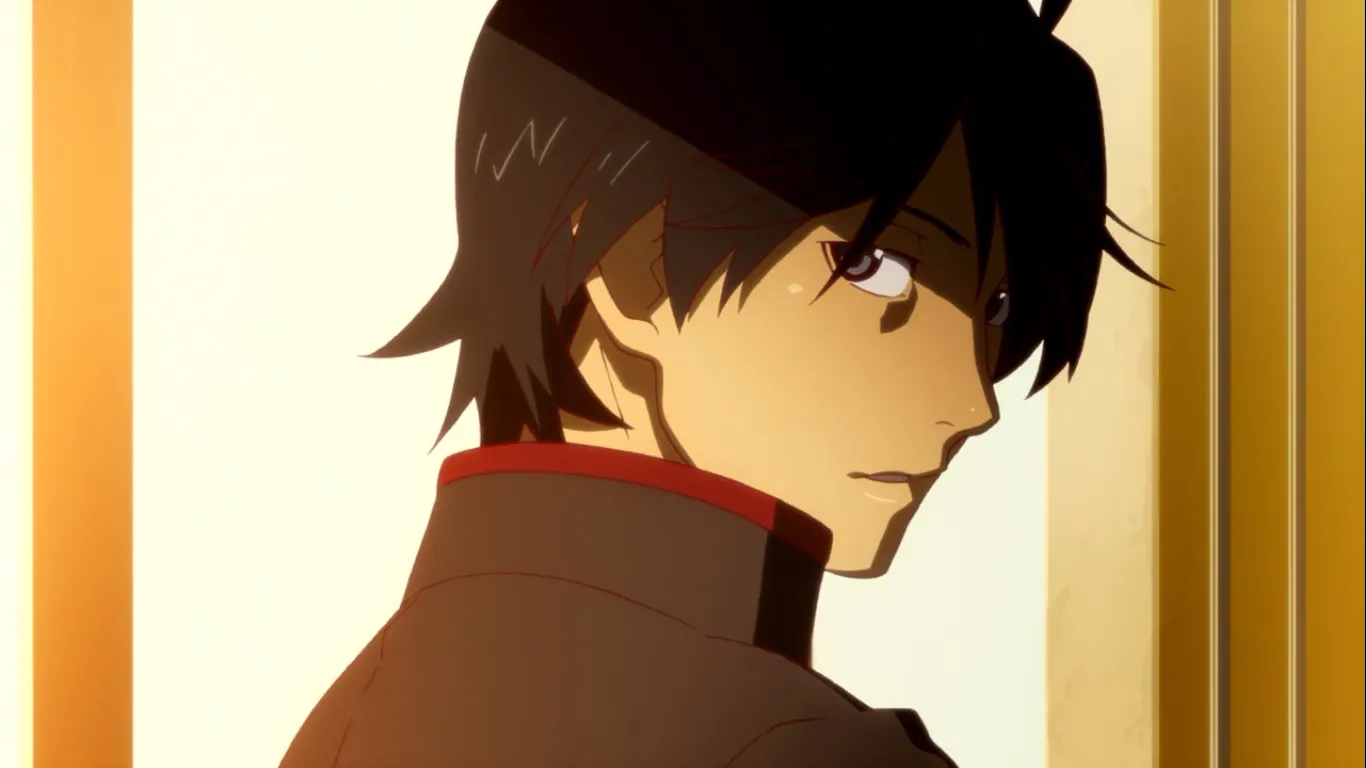
A high school student who survived a vampire encounter during spring break and now carries regenerative abilities that are the external expression of something internal: an inability to let people suffer without intervening, regardless of whether they want him to. The Monogatari Series is built on dense dialogue and extended internal monologue, which means Koyomi Araragi's interiority is the text itself — not background, not subtext, but the primary material.
What distinguishes him from most self-aware protagonists is that the writing actually diagnoses his flaws in real time rather than presenting them as endearing traits. The savior complex is not a character tick — it is examined, named, indicted, and traced to its origins across multiple arcs by characters who understand him better than he understands himself. He continues the cycle anyway. That paradox of self-awareness and inability to change, sustained with precision across an entire series, is genuinely rare in the medium. His strongest moments are relational — most vivid in collision with Senjougahara, Hanekawa, and Shinobu, where the diagnosis of his psychology is delivered from outside and he receives it accurately while changing nothing. The interiority that carries the entries above him is largely independent of any single figure. His depends on the network.
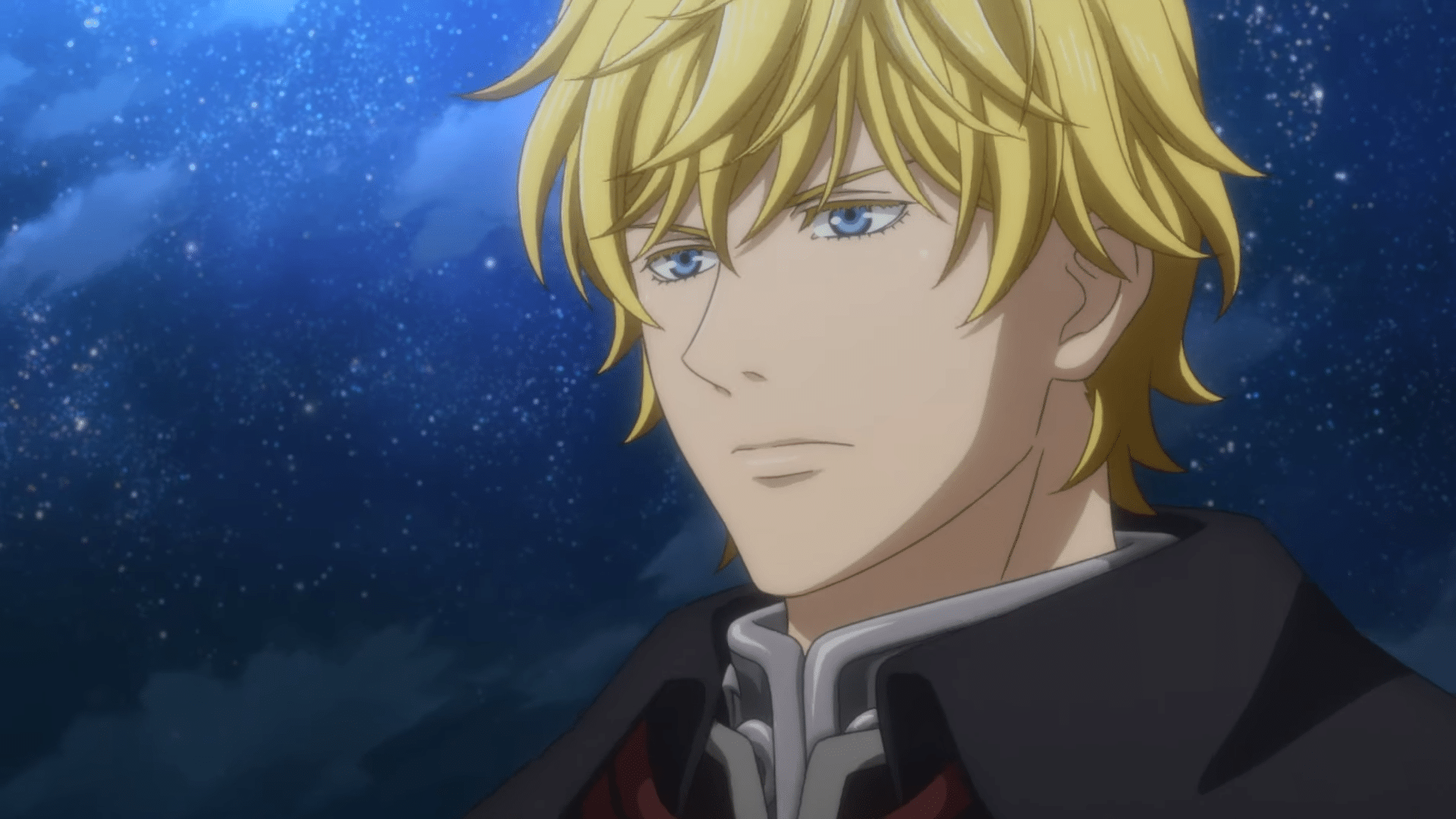
A military genius who rises from the outer nobility to reshape the structure of galactic civilisation, driven not by ambition in the conventional sense but by a specific fury: his sister Annerose was taken into the Kaiser's palace when he was a child, and the entire political order that made that transaction legal must be dismantled. Reinhard von Lohengramm is the autocracy argument in Legend of the Galactic Heroes' central debate, given personality — the most compelling version of the case for centralised genius as a legitimate political force.
The specific writing achievement with Reinhard is the Kircheis relationship and how it structures his interiority. His greatness faces outward — he is expressed through strategy, ambition, and the construction of a new order — but his inner life is channelled almost entirely through the one person who understood him before he was great. The vacuum Kircheis's absence creates is not written as grief in the conventional sense; it is written as an incompleteness that no subsequent achievement can address. He becomes, slowly and without intending to, what he feared: a system rather than a man. His emotional architecture is precise; the trajectory is complete. The limitation is that his entire psychological interior flows through one relationship — remove Kircheis and there is almost nothing inside. The characters above him carry their interiority independently of any single axis.

A teenage shut-in who wanders into a fantasy world with nothing — no abilities, no knowledge of the rules, no reason to be there. Subaru Natsuki receives one thing: Return by Death — the ability to loop from a fixed checkpoint each time he dies, carrying the trauma and the knowledge forward without being able to explain it to anyone. The isekai conventions are delivery infrastructure; what Re:Zero builds inside them is psychological writing.
The ego-breakdown cycles are written with consequence the genre almost never commits to. The beach breakdown is not a twist or a spectacle — it is the result of months of sustained self-deception becoming untenable when the external structures supporting it are removed. His worst decisions follow from his psychology with precision rather than plot convenience, and the writing understands exactly why he makes them, which is rarer than it sounds. The constraint is scope: the thematic questions Re:Zero is asking are specific to Subaru's psychology and do not extend to anything wider about the world he inhabits. The characters above him ask questions that outlast their stories.
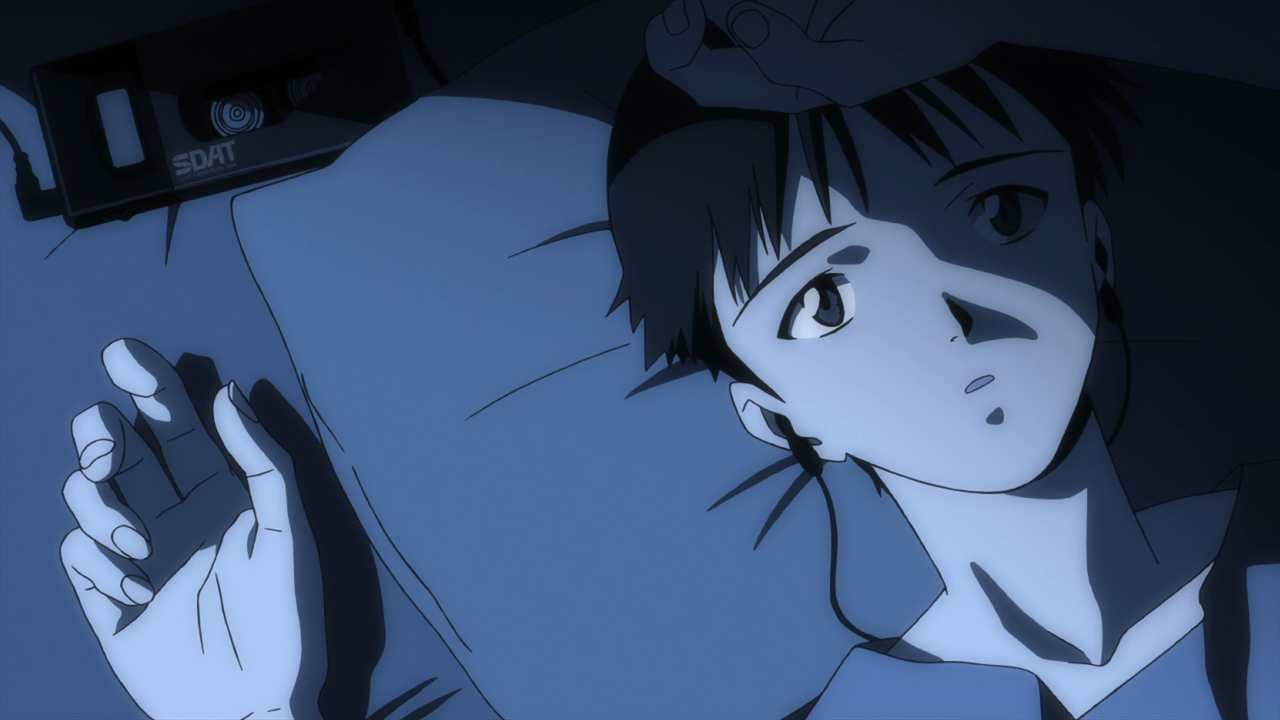
A fourteen-year-old summoned by the father who abandoned him to pilot a giant organic mech against beings called Angels. Shinji Ikari is Anno Hideaki's refusal to write the genre's expected protagonist — the mecha conventions are deployed and then abandoned in favour of documenting the psychology of a boy who was made to feel insufficient before he had any framework for understanding what he needed.
Shinji is the most precise depiction of mental illness in the medium — not as an obstacle to be overcome narratively, but as a state to be inhabited and examined with accuracy. His fear, his avoidance, his desperate need for validation that he simultaneously pushes away because receiving it would require him to stay — these are written without a redemption arc and without judgment. Instrumentality is not a resolution; it is what happens to a person made entirely of need when all the structures that usually redirect need are removed. The argument that the multiple endings penalise the writing inverts the logic: the interpretative openness is designed, the ambiguity is precise, and The End of Evangelion justifies it completely. The constraint that limits the position is structural: Shinji does not move. He is placed, piloted, collapsed into. He does not choose a direction and pursue it — and the writing is designed to make that incapacity the subject. Not a ceiling on quality; a ceiling on breadth, which is what this ranking weighs.
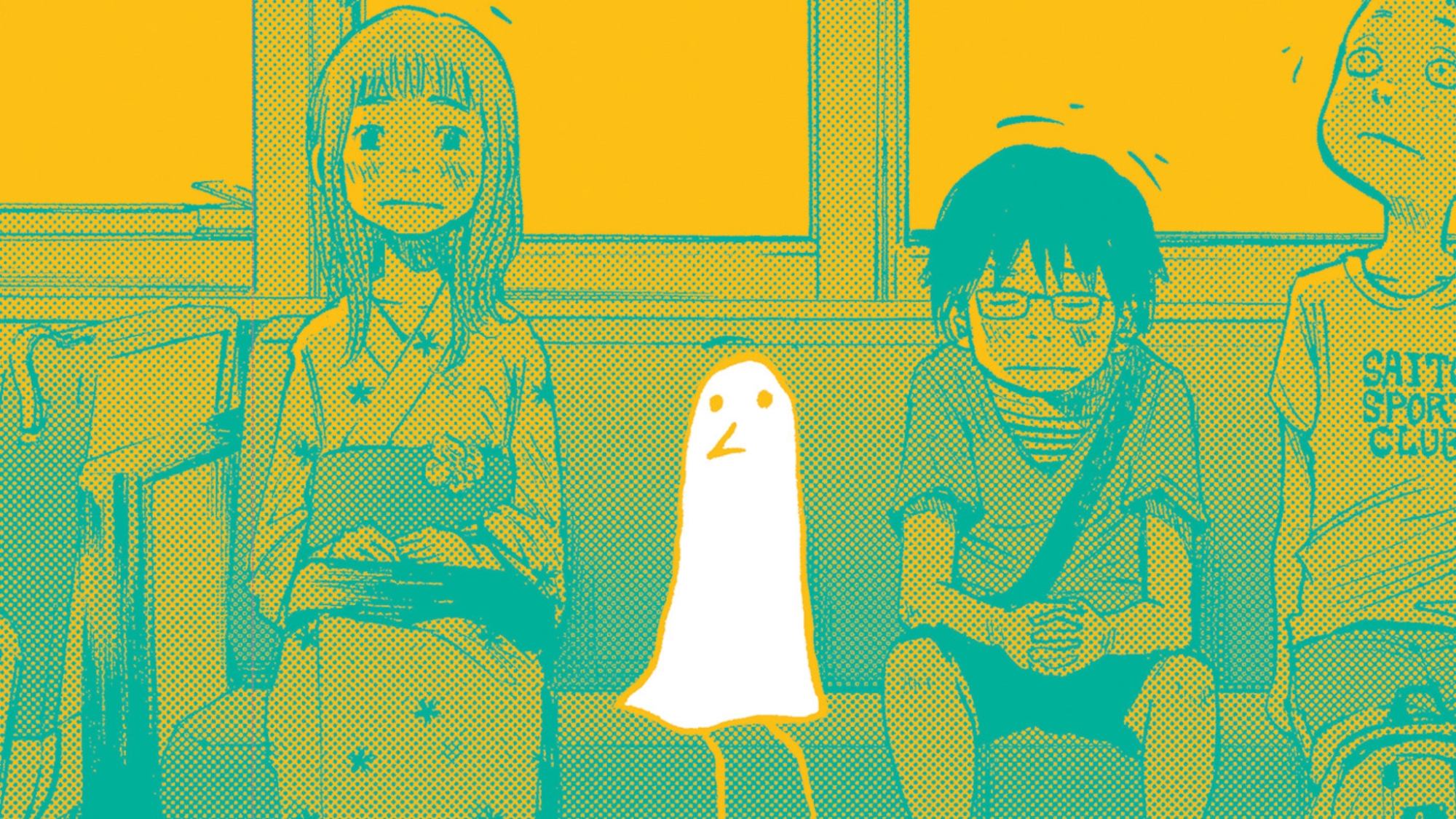
A Japanese boy in a realistic modern setting who is depicted throughout the manga as an abstract bird figure — a simple geometric shape in a world drawn with human detail. That visual decision is not stylistic flourish; it is a writing choice made on the first page that externalises Punpun Onodera's dissociation from his own existence before the narrative has established anything about his psychology.
Goodnight Punpun is the most precise depiction of childhood trauma metastasizing into adult dysfunction in the medium. Every step of Punpun's deterioration has internal logic — the fixation on Aiko, the obsession that replaces genuine connection, the violence with roots traceable to the earliest chapters, the final self-erasure. Nothing in the work is shock for its own sake; everything connects back through the writing to what was established early and never addressed. The introduction of God as a speaking character in an otherwise psychologically realistic story is one of the most audacious structural choices in manga, and it works because it represents Punpun's need for external absolution made literal and then systematically denied. The gap with Phosphophyllite is structural: Punpun's devastation is built through accumulation, its logic felt rather than legible, its full architecture only visible in retrospect. Phos's losses are pre-weighted and philosophically assigned, designed to cohere into a specific question once the full arc exists. One is felt. The other is built to be understood.
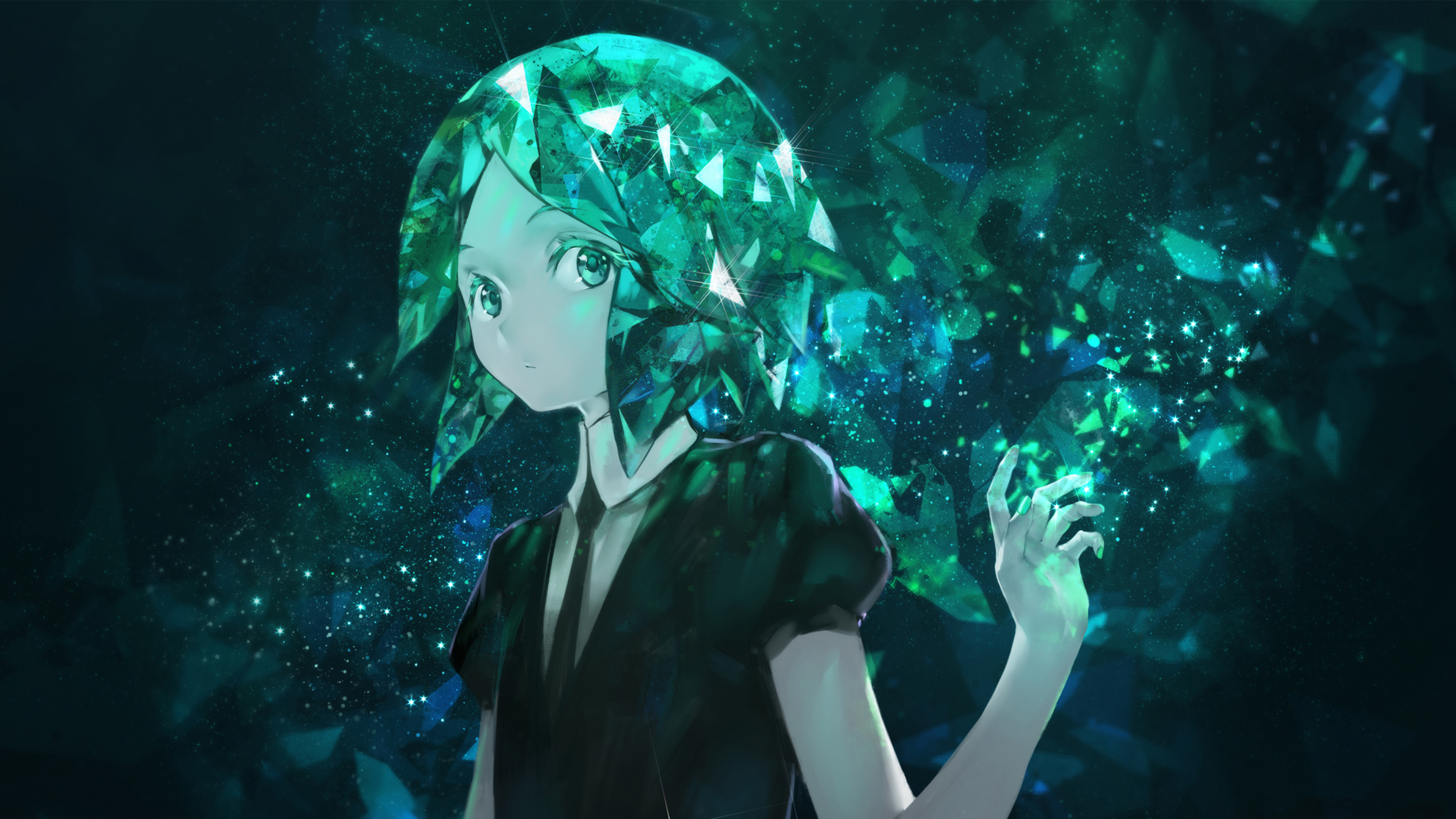
The most brittle and useless of the gem-beings in Houseki no Kuni — too fragile for combat, assigned to write a natural history no one reads, surrounded by soldiers whose competence makes their inadequacy continuous. The early chapters play Phosphophyllite for comedy: falling apart, being repaired, failing at everything. What follows is among the most complete deconstructions of a protagonist in the medium.
The identity arc in Houseki no Kuni earns its position because the physical transformation is the psychological transformation — every piece of Phos that is lost, replaced, or altered changes who they are in ways that are tracked with complete precision. By the conclusion, almost nothing of the original Phos remains in body or in interior life, and the question the story has been building — whether what persists is the same being, and whether continuity of self requires continuity of memory — lands with force because every step of the answer was laid in advance. It is not a trauma cycle, not a power fantasy inversion; it is a genuine philosophical inquiry into selfhood using a protagonist whose body and mind deteriorate in synchrony. The architectural precision — every loss pre-weighted, every replacement carrying philosophical implication traceable to the first chapter — is the specific achievement.
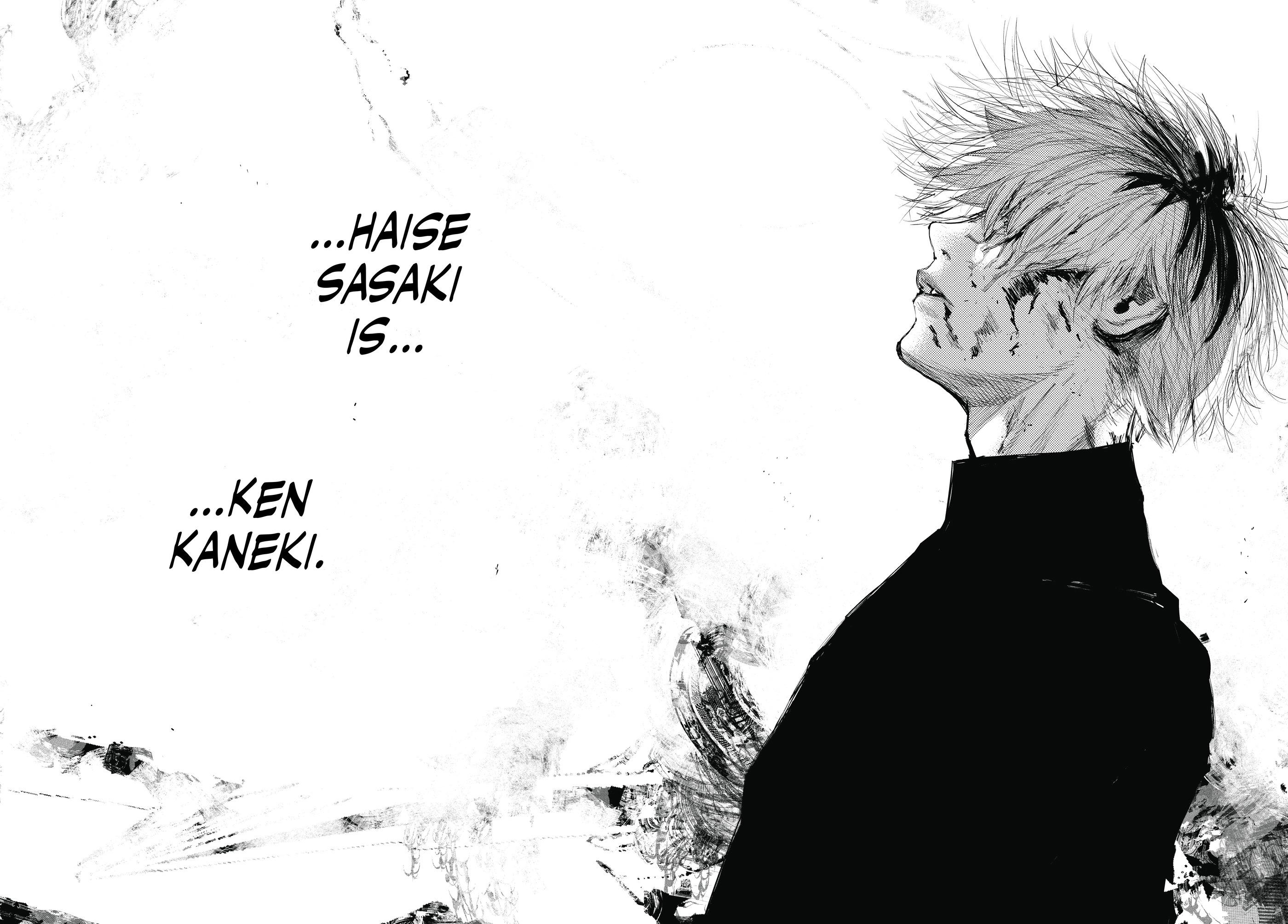
A college student who survives an encounter with a ghoul by receiving intact organs from one, becoming a half-ghoul caught between two communities that each define themselves against what the other is. Ken Kaneki is the axis around which Tokyo Ghoul rotates its central question: what does it mean to belong to something when your existence is the thing both sides want to deny?
His identity architecture is more deliberately constructed than almost any protagonist in the medium outside the top five. The paralysis phase, the white-hair transformation under Yamori's torture, the Haise memory-suppression period, the full collapse into the One-Eyed King — these are not separate characters sharing a name; they are legible movements of the same person trying different frameworks for existence as each prior one breaks. The parallel network is structural: the relationships to Arima, to Rize, to Touka, to Hide each refract a different facet of the same question about what he is and whether that can be enough. The criticism of the later :re arcs' execution clarity is legitimate — the ambition exceeds the delivery in places — but the conceptual architecture beneath remains intact. Above this position, the execution matches the ambition more consistently.
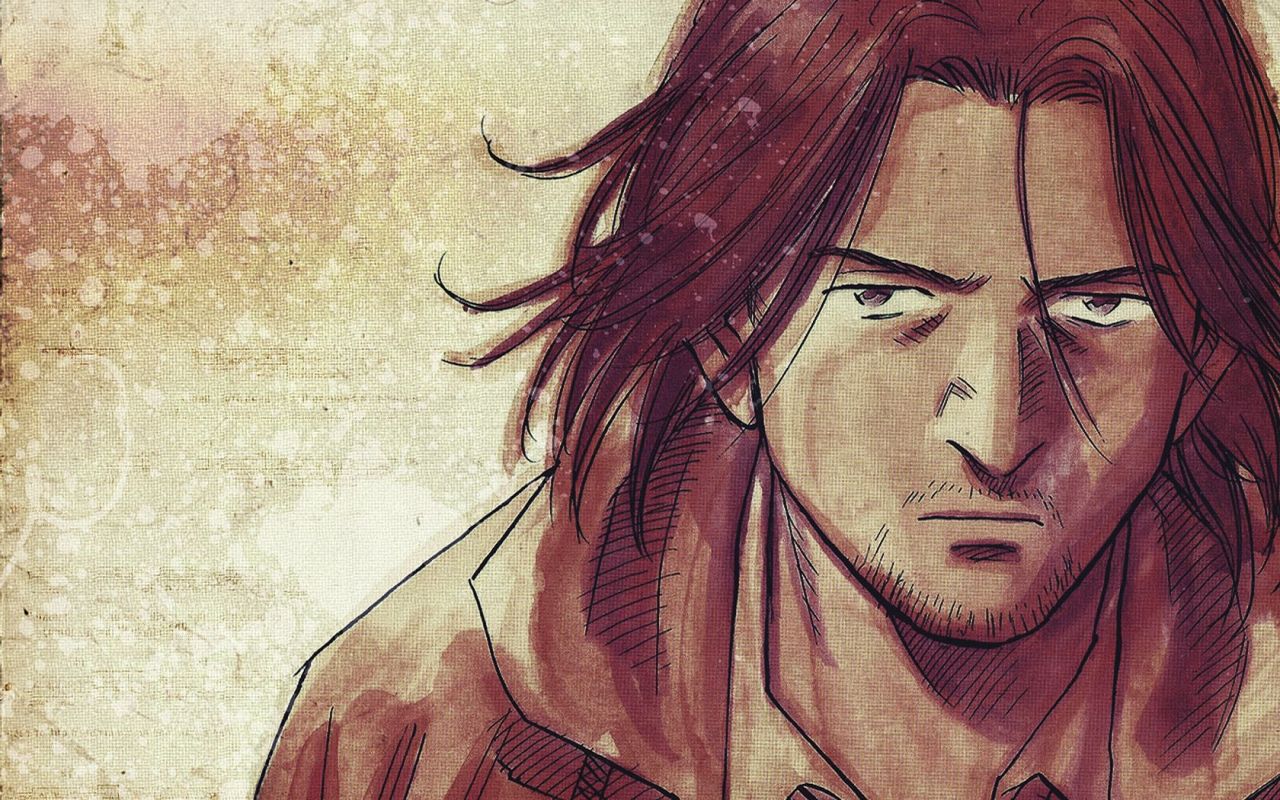
A Japanese neurosurgeon in 1986 West Germany who saves the life of a boy brought in after a suspicious shooting — choosing the child over the city's director because the hospital hierarchy intended to reverse the operating order for political convenience. That decision costs Kenzo Tenma everything the institution could take from him. The boy, Johan Liebert, grows into the most dangerous person in Europe.
Monster is sixty volumes asking whether saving Johan was the right decision, and Tenma is Urasawa's refusal to answer cheaply. He is not a protagonist who evolves away from his original conviction — he is one who is tested against it for the full length of the narrative by a writer genuinely constructing the most sophisticated argument available against it. The specific quality of his writing is consistency under pressure: Tenma holds his conviction that human life is unconditional not because the story has arranged itself to make that conviction convenient, but against a work specifically designed to produce the most persuasive case that it wasn't. Every revelation about what Johan has done is another test of whether the original choice holds. It continues to hold. That moral persistence — written without making it feel naive or self-righteous, paired with his quiet continuous development as a man without a place in the world he once occupied — earns the fifth position clearly.
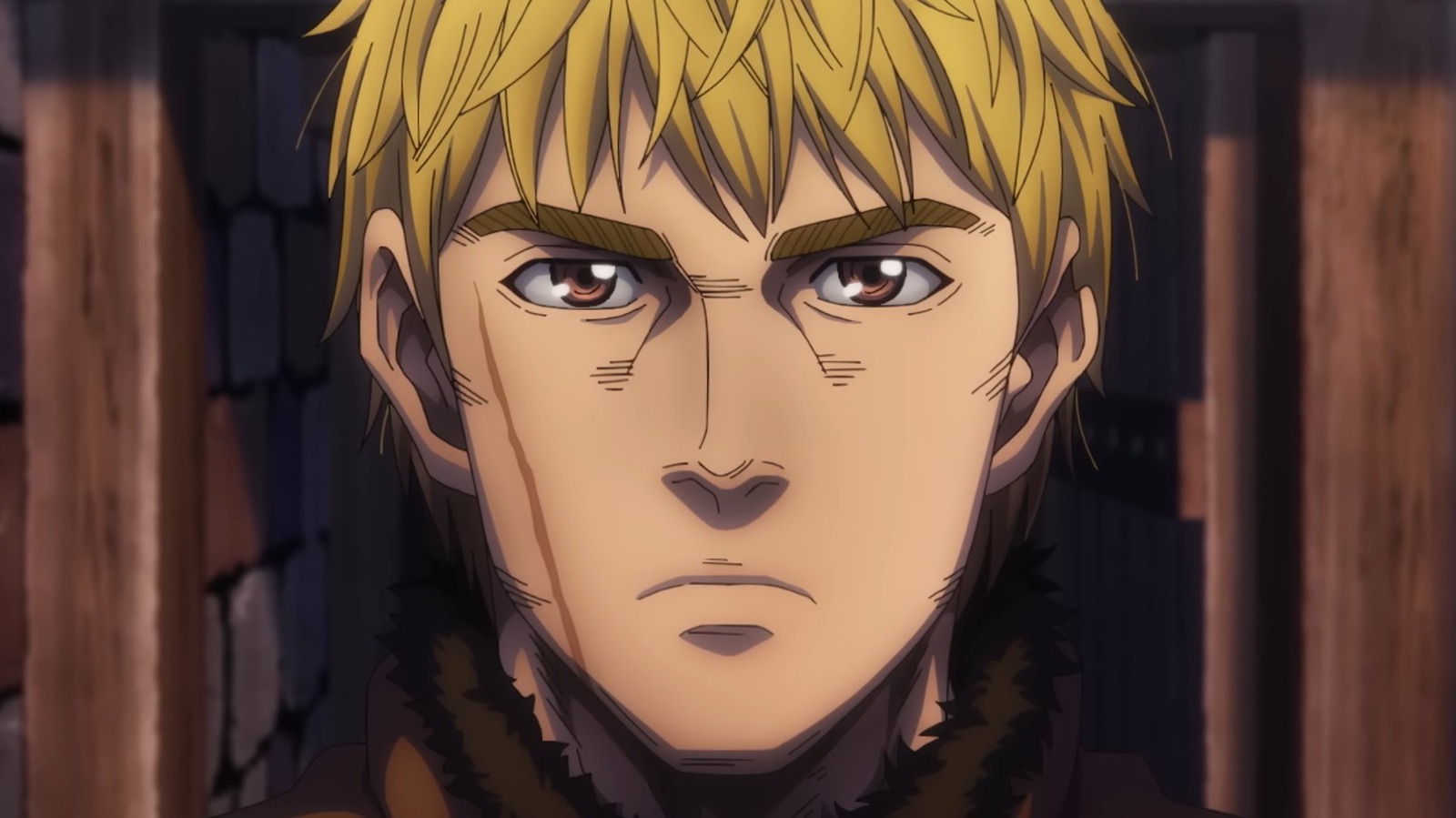
A Norse boy who watches his father — Thors, the most feared warrior of his generation, who had chosen to become a farmer — murdered by the mercenary captain Askeladd. Thorfinn Karlsefni spends the next fifteen years in Askeladd's company, maintaining a grudge he is too young and too consumed to actually act on, winning duel after duel without the satisfaction he expected, becoming the finest fighter in the band and remaining a child inside.
Vinland Saga contains the most completely realised character arc in manga, because it is the only major one that fully pays off a philosophy rather than stating it and moving on. The "true warrior has no enemies" thesis is not declared in the prologue and confirmed at the end — it is arrived at across 200 chapters of showing in precise detail what living with a single purpose at the cost of everything else actually produces in a human being, and then asking the harder question: what can be built in a world that has no infrastructure for what you are trying to become? The arc is not about redemption; it goes further. Thorfinn carries the richest parallel network in the series — to Thors, to Askeladd, to Einar, to Canute — each relationship revealing a different facet of the central question the manga is asking. The completeness of that arc, including its continuation into the Vinland chapters, is a specific writing achievement that no other protagonist in the medium fully matches.
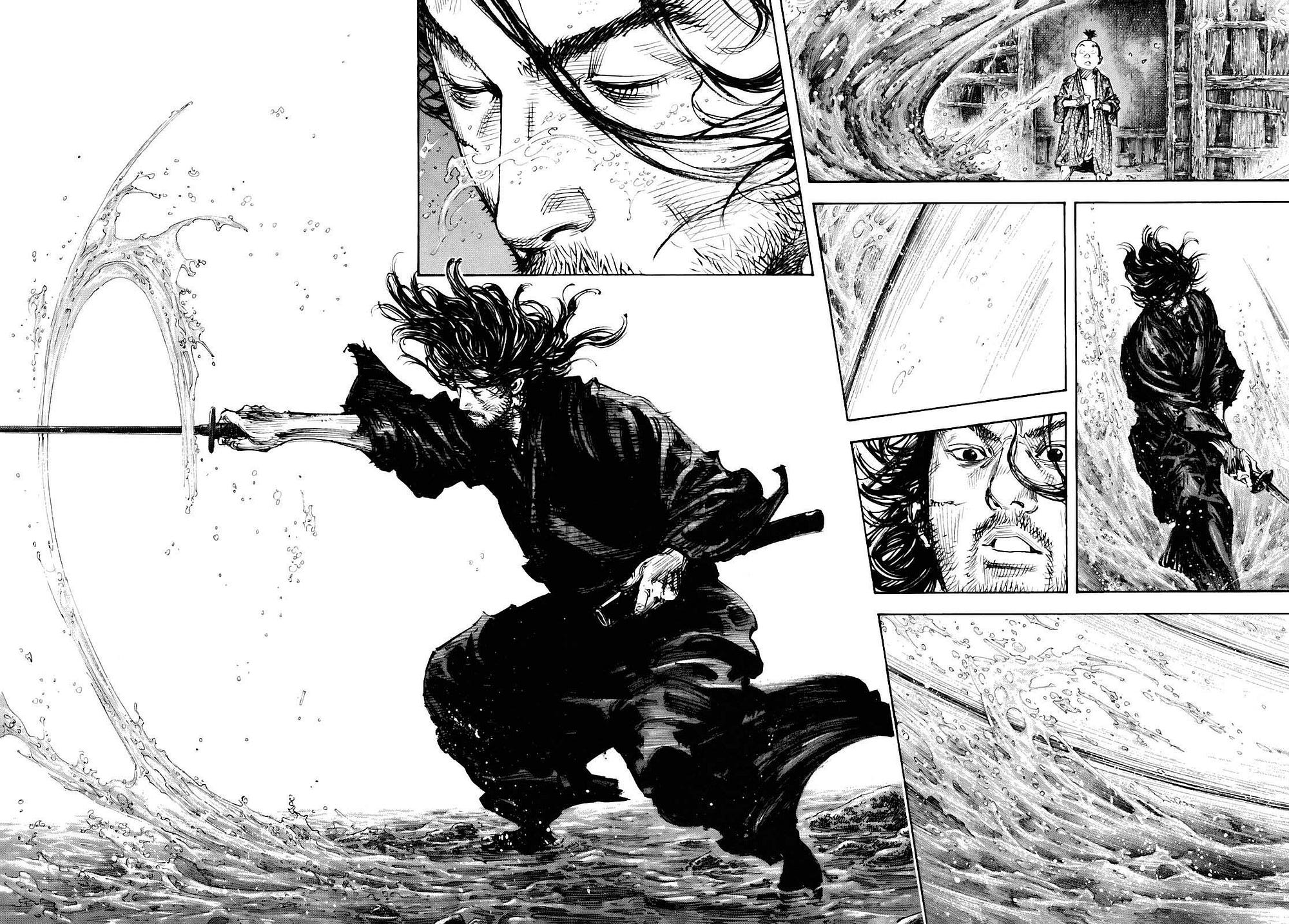
The fictional representation of the legendary swordsman, starting as a teenage survivor of Sekigahara — violent, unfocused, running on aggression that has not yet found a reason — and progressing through encounters that each function as a different kind of mirror. Musashi Miyamoto is Inoue Takehiko's sustained inquiry into what it would mean to be the strongest, conducted by methodically dismantling every answer that question initially offers.
Vagabond is the most philosophically dense writing about a single character in the medium. Inshun — blind and transcendent — forces Musashi to understand what genuine superiority looks like when raw technique provides no advantage. Yagyu Sekishusai, ancient and barely functional in body, shows what it looks like when someone has actually arrived at the destination Musashi is still searching for — and the arrival is not glory, it is quiet. Kojiro, deaf, living entirely in the present with no capacity to accumulate wounds, embodies a completeness Musashi cannot access because he still carries everything. Every opponent is a chapter in a philosophical argument about the relationship between strength, ego, and life — and the argument deepens with each one rather than repeating itself. Vagabond ranks third rather than second because it is unfinished. Inoue has been on hiatus since 2015, and an arc of this philosophical ambition cannot be fully assessed without its conclusion. The ceiling here may be higher than anything below it. The position is constrained by what has been delivered.
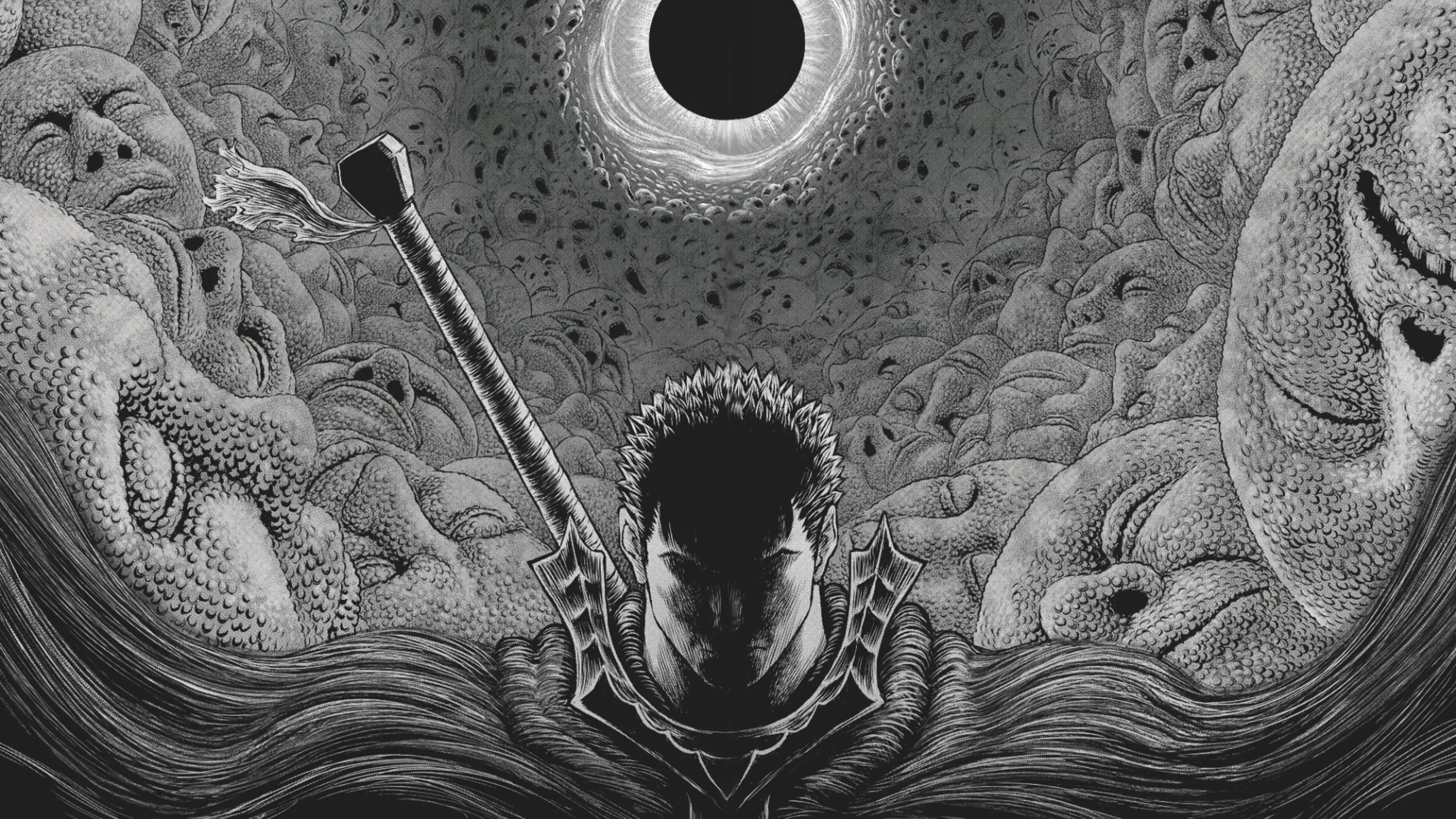
Born from a hanged woman's corpse, sold as a child soldier by the man who bought him, tortured, and ultimately betrayed by the one person he had trusted above everything — Griffith — in an act of calculated sacrifice that branded him marked for death and took from him everything he had managed to build against every reason not to. Guts is the Black Swordsman from the first chapter: already broken, already driving toward something that will finish the destruction. The Golden Age arc is what he was before. The gap between the two is what Berserk is about.
No protagonist in the medium operates simultaneously across as many dimensions of character writing at the same level of quality. The trauma is written in the body: the Dragon Slayer as a weapon requiring a strength that should not be human; the berserker armor as an externalisation of the impulse to keep fighting by refusing to acknowledge damage; the accumulated injuries the narrative tracks rather than resets. The grief is authentic and does not resolve. The love built with Casca is constructed under conditions specifically designed to prevent it and is therefore more precise for being shown developing in detail. The Griffith parallel is architecturally designed from the beginning — two people starting from nothing who made opposite choices about what freedom requires — and the devastation when those paths finally separate is earned by everything the Golden Age established. His individual peaks are the highest in the medium below Eren. He ranks second rather than first because Eren's writing operates in a system of formal complexity — temporal architecture, foreshadowing designed to be completed rather than resolved, in-built contradiction held simultaneously — that breadth of execution alone cannot match.
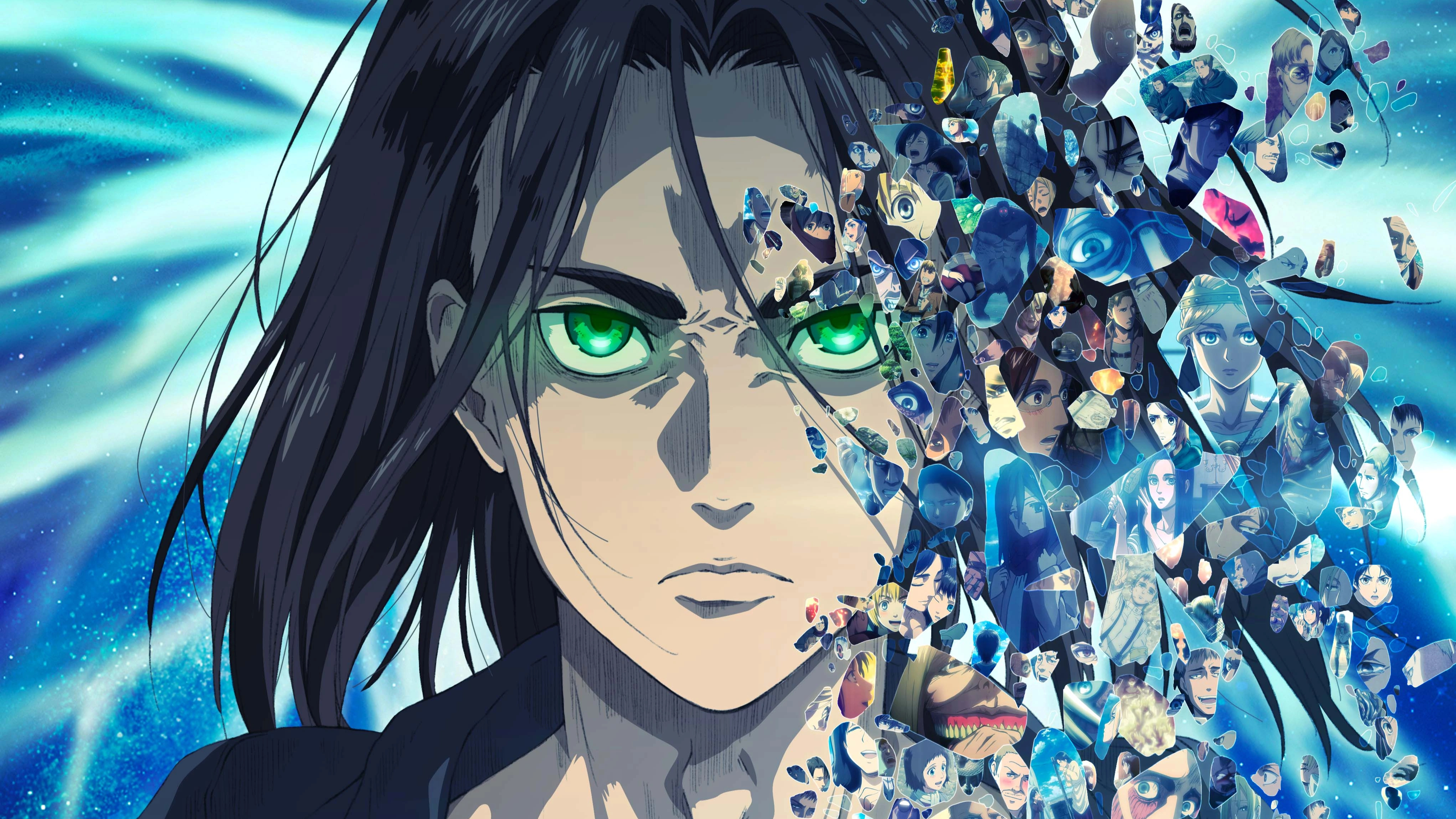
What makes Eren the greatest achievement in the medium is not what he does, but what he reveals about the thing he wanted most — that freedom, taken to its absolute, does not liberate. It devours. Eren Yeager joins the Survey Corps, becomes a soldier, obtains the Attack Titan and the Founding Titan, infiltrates Marley, initiates the Rumbling, and directs the eradication of 80% of humanity outside the island. Attack on Titan is structured so that its first scene and its last describe the same moment from opposite positions in time, and Eren is the mechanism through which that closure is possible at all.
The case for first position is a case about formal construction. The desire for freedom exists in him before reason, before knowledge, before any wound the story provides to explain it. He does not decide to want freedom. He is made of it — free to act as he desires but not free to desire differently. He is a slave to freedom: his own words, at the end of everything, not metaphor but confession. The future is not imposed on him. It emerges from him. What appear as inconsistencies on a first reading are the same character placed at different coordinates in a temporal structure that renders earlier moments more legible once the later ones exist. The ability to make a reader reinterpret what they already understood through completion rather than revision is the specific formal achievement that no other protagonist in the medium matches. That is the most unbearable thing the story arrives at: the prison was never the walls.
What the writing never announces: the atrocity, the condemnation, the verdict of history — he absorbs all of it by design. He engineers his own vilification so that the people he loves are remembered as the ones who stopped the monster while he becomes the monster that needed stopping, sacrificing not just his life but his name. That is the selflessness people miss, because it wears the face of destruction. The love underneath is not ideological; it is specific, for people he has known since he was a boy. He could not stop caring and he could not stop moving. Neither cancelled the other. He is simultaneously victim and perpetrator, architect and prisoner, and the writing holds both at once without resolving the tension because the tension is the point. He begins as a boy who cannot explain his desire for freedom. He ends as the only person who ever truly understood it. He turned the wheel. He did not stop it.
Lelouch vi Britannia · Sakata Gintoki · Spike Spiegel · Baku Madarame · Shoya Ishida